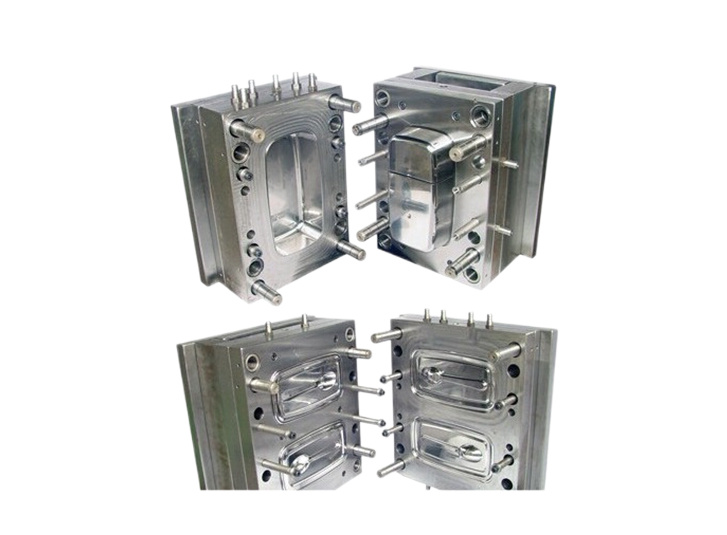
Boosting Production Efficiency with Injection Molding for Auto Dashboards
Boosting Production Efficiency with Injection Molding for Auto Dashboards Table of Contents 1. Introduction to Injection Molding in Automotive Manufacturing 2. Understanding Injection Molding and Its Role in Auto Dashboards 3. Advantages of Injection Molding for Auto Dashboards 4. Key Components of the Injection Molding Process 5. Strategies for Optimizing Production Efficienc
2026-06-19
Boosting Production Efficiency with Injection Molding for Auto Dashboards
Table of Contents
- 1. Introduction to Injection Molding in Automotive Manufacturing
- 2. Understanding Injection Molding and Its Role in Auto Dashboards
- 3. Advantages of Injection Molding for Auto Dashboards
- 4. Key Components of the Injection Molding Process
- 5. Strategies for Optimizing Production Efficiency
- 6. Case Studies: Successful Applications of Injection Molding
- 7. Future Trends in Injection Molding for Automotive Production
- 8. Conclusion
- 9. Frequently Asked Questions
1. Introduction to Injection Molding in Automotive Manufacturing
The automotive industry is in a constant state of evolution, driven by the need for innovation and efficiency. Among the various manufacturing methods, **injection molding** stands out as a game-changer, particularly for producing **auto dashboards**. This manufacturing technique combines precision and speed, making it ideal for creating complex parts with high structural integrity.
In this article, we explore how injection molding boosts production efficiency in auto dashboard manufacturing, detailing its advantages, the process, and strategies for optimizing production.
2. Understanding Injection Molding and Its Role in Auto Dashboards
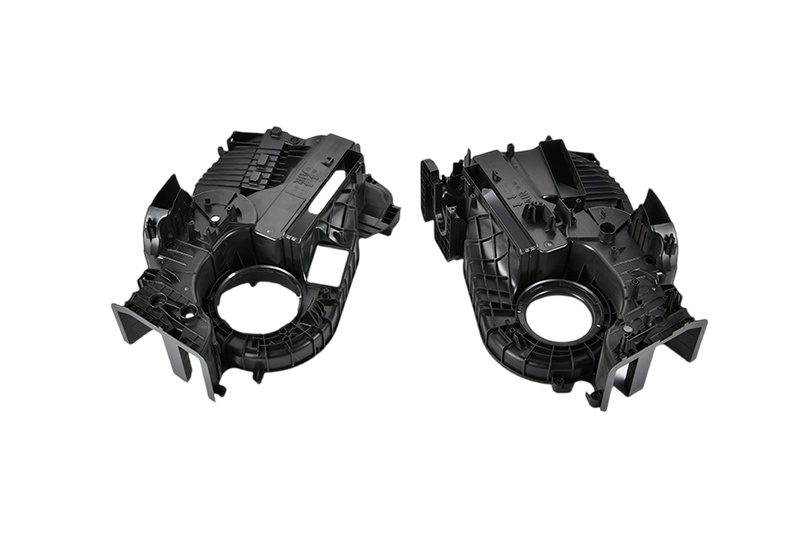
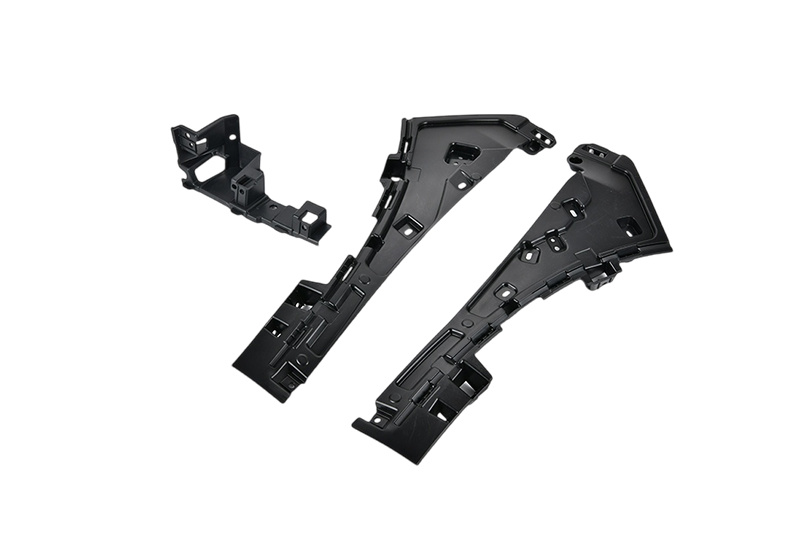
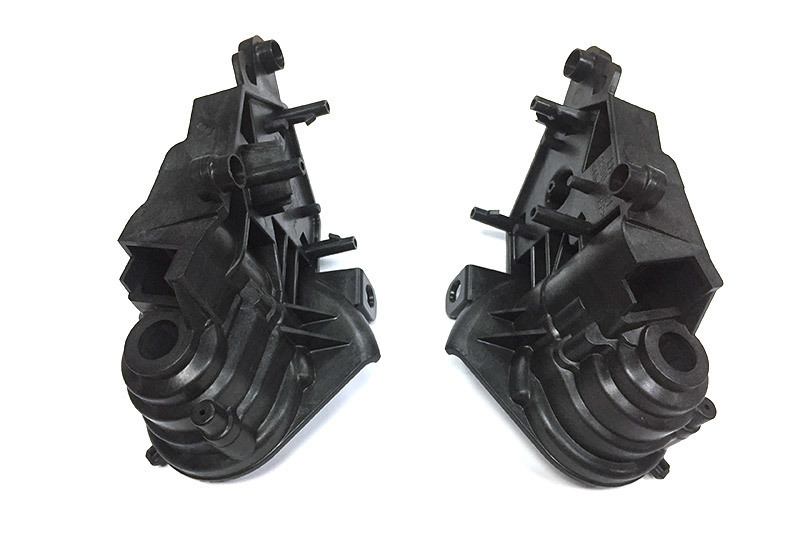
**Injection molding** is a process that involves injecting molten material—often plastic—into a mold to create a specific shape. This method is particularly suited for auto dashboards, which require durable, lightweight, and aesthetically pleasing components.
The significance of injection molding in automotive manufacturing cannot be overstated. It allows for:
- **Complex geometries**: Injection molds can create intricate shapes that are often impossible with other methods.
- **Material versatility**: A variety of thermoplastics can be used, allowing manufacturers to select materials based on specific performance criteria.
The process begins with designing a mold, followed by heating the plastic and injecting it into the mold cavity. Once cooled, the mold is opened, and the finished part is ejected. This efficiency ensures that manufacturers can produce high volumes of dashboards rapidly and with consistent quality.
3. Advantages of Injection Molding for Auto Dashboards
The advantages of utilizing injection molding in the production of auto dashboards are manifold:
3.1 Cost Efficiency
Injection molding reduces waste and lowers the cost per unit as production scales. The ability to produce high volumes of identical parts quickly further drives down costs, making it a preferred choice for automotive manufacturers.
3.2 Speed of Production
The cycle time for injection molding is significantly shorter than traditional manufacturing methods. This rapid production capability translates to quicker turnaround times, allowing manufacturers to respond swiftly to market demands.
3.3 High Precision and Quality Control
Injection molds can achieve extremely tight tolerances. This level of precision is vital for auto dashboards, which often incorporate intricate designs and features. The result is high-quality parts that meet the strict standards of the automotive industry.
3.4 Environmental Sustainability
Modern injection molding techniques are increasingly eco-friendly. Manufacturers can use recycled materials and implement processes that minimize waste, contributing to a more sustainable automotive production landscape.
4. Key Components of the Injection Molding Process
Understanding the components of the injection molding process is essential for optimizing production efficiency. The main components include:
4.1 The Injection Unit
This component is responsible for melting and injecting the plastic into the mold. It consists of a hopper, a screw, and a barrel. The design and efficiency of the injection unit play a crucial role in the overall speed and quality of production.
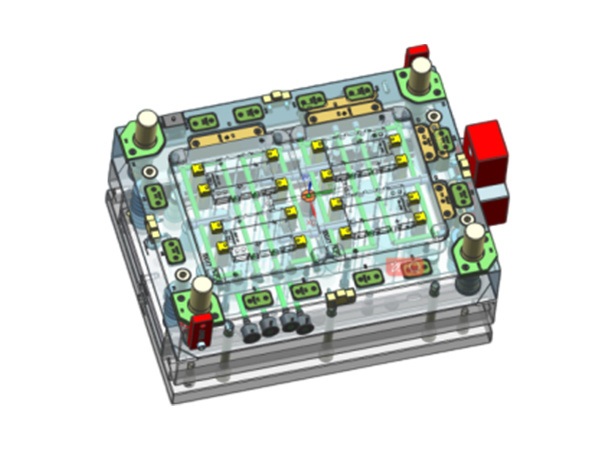
4.2 The Mold
Molds are custom-designed for each part and can be costly to produce. However, they are integral to the injection molding process, determining the shape and features of the final product.
4.3 The Clamping Unit
The clamping unit holds the mold closed during the injection process. Proper clamping ensures that the mold remains securely in place, preventing defects in the finished product.
4.4 Cooling System
Cooling is a critical phase that affects cycle time and quality. An efficient cooling system ensures that parts cool evenly and quickly, allowing for faster production rates.
5. Strategies for Optimizing Production Efficiency
To maximize the benefits of injection molding, manufacturers can adopt several strategies:
5.1 Invest in Advanced Technology
Utilizing state-of-the-art machinery and technology can significantly enhance production efficiency. **Automation** in the injection molding process, such as robotic arms for handling parts, can reduce cycle times and human error.
5.2 Implement Lean Manufacturing Principles
Adopting lean principles can help identify and eliminate waste in the production process. Focusing on continuous improvement, just-in-time production, and standardized work processes fosters a more efficient manufacturing environment.
5.3 Optimize Mold Design
Collaborate with engineers to design molds that facilitate easier ejection and better cooling. The design of the mold directly impacts the cycle time and overall quality of the produced parts.
5.4 Regular Maintenance of Equipment
Scheduled maintenance of injection molding machines ensures optimal performance and reduces the likelihood of breakdowns. Regular checks can prevent costly downtime and maintain production schedules.
5.5 Training and Development
Investing in employee training is crucial. Skilled operators can better manage the machines and troubleshoot issues, leading to smoother operations and reduced waste.
6. Case Studies: Successful Applications of Injection Molding
Analyzing real-world applications provides valuable insights into the efficacy of injection molding in automotive production.
6.1 Case Study 1: Leading Automotive Manufacturer
A leading automotive manufacturer implemented injection molding for its dashboard components, resulting in a 30% reduction in production costs. By optimizing mold design and investing in automation, they increased output and improved quality control.
6.2 Case Study 2: Startup Innovator
A startup focused on electric vehicles adopted injection molding to create lightweight dashboards. This decision not only enhanced performance but also made the vehicles more energy efficient, appealing to eco-conscious consumers.
7. Future Trends in Injection Molding for Automotive Production
As technology advances, several trends will shape the future of injection molding in the automotive industry:
7.1 Advanced Materials
The development of new, high-performance materials will enable manufacturers to create even more durable and lightweight dashboards.
7.2 Smart Manufacturing
IoT and AI technologies will play a significant role in monitoring production processes, predicting maintenance needs, and enhancing quality control.
7.3 Sustainability Initiatives
The automotive industry is increasingly focusing on sustainable practices. Future injection molding processes will likely include a greater emphasis on recycling and minimizing carbon footprints.
8. Conclusion
Injection molding is revolutionizing the manufacturing of auto dashboards, offering unmatched efficiency, quality, and cost-effectiveness. By understanding the intricacies of the process and implementing strategic optimizations, manufacturers can significantly enhance their production capabilities. As technology continues to advance, the potential of injection molding in the automotive sector will only grow, paving the way for innovations that meet the demands of modern consumers.
9. Frequently Asked Questions
FAQ 1: What materials are commonly used in injection molding for auto dashboards?
Common materials include ABS, polycarbonate, and polypropylene, selected for their strength, lightweight properties, and aesthetic qualities.
FAQ 2: How long does the injection molding process typically take for auto dashboards?
The cycle time can vary but typically ranges from 30 to 60 seconds, depending on the complexity and size of the dashboard.
FAQ 3: Can injection molded dashboards be customized?
Yes, injection molding allows for extensive customization in terms of design, color, and features, making it ideal for branding and aesthetics.
FAQ 4: What are the environmental benefits of injection molding?
Injection molding can utilize recycled materials, reduce waste, and lower energy consumption compared to traditional manufacturing methods.
FAQ 5: How can manufacturers ensure the quality of injection molded components?
Implementing rigorous quality control protocols, regular equipment maintenance, and skilled operator training can help maintain high quality in injection molded components.
Related news