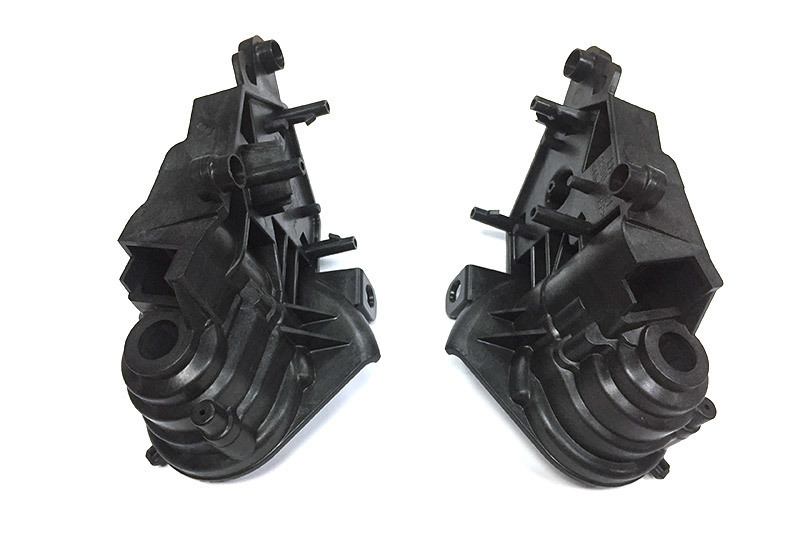
Why IML Plastic Injection Parts Are Crucial for Modern Manufacturing
Why IML Plastic Injection Parts Are Crucial for Modern Manufacturing Table of Contents Introduction to IML Technology and Its Importance What is In-Mold Labeling (IML)? The Benefits of Using IML in Plastic Injection Molding Improved Aesthetics and Branding Enhanced Durability and Resistance Cost Efficiency in Manufacturing Appl
2026-06-03
Why IML Plastic Injection Parts Are Crucial for Modern Manufacturing
Table of Contents
- Introduction to IML Technology and Its Importance
- What is In-Mold Labeling (IML)?
- The Benefits of Using IML in Plastic Injection Molding
- Improved Aesthetics and Branding
- Enhanced Durability and Resistance
- Cost Efficiency in Manufacturing
- Applications of IML in Modern Manufacturing
- The Future of IML Technology in Manufacturing
- Conclusion
- FAQs
Introduction to IML Technology and Its Importance
In recent years, **In-Mold Labeling (IML)** has emerged as a revolutionary technique within the **plastic injection molding industry**. It integrates labeling into the molding process, allowing manufacturers to produce high-quality, visually appealing parts while significantly enhancing production efficiency. **IML technology** is not just a trend but a crucial component for modern manufacturing, helping companies maintain competitive edges in a rapidly evolving marketplace.
What is In-Mold Labeling (IML)?
**In-Mold Labeling** is a process that involves placing a pre-printed label inside a mold before the injection of molten plastic. As the plastic material fills the mold, it adheres to the label, effectively fusing the two together as one solid unit. This method provides several advantages over traditional labeling techniques, such as stickers or thermal transfer labels, by ensuring that the label is an integral part of the final product.
The Benefits of Using IML in Plastic Injection Molding
Improved Aesthetics and Branding
One of the most significant benefits of **IML technology** is its ability to enhance product aesthetics. With high-resolution graphics and vibrant colors, companies can create eye-catching designs that attract consumers. IML allows for **full-coverage labeling**, which means manufacturers can utilize the entire surface area of the product for branding, logos, and product information. This feature is particularly important in industries where visual appeal directly influences purchasing decisions.
Enhanced Durability and Resistance
IML products exhibit superior durability compared to conventionally labeled items. The label becomes a part of the product, making it resistant to fading, peeling, and scratching. This high level of durability ensures that products maintain their appearance and functionality throughout their lifecycle, which is particularly crucial in sectors such as food packaging and consumer goods where product integrity is paramount.
Cost Efficiency in Manufacturing
Implementing **IML technology** can lead to significant cost savings for manufacturers. By combining labeling and molding processes, businesses can reduce labor costs and production time. Traditional labeling methods require additional steps, such as applying labels after molding, which can slow down production and increase costs. In contrast, IML integrates these processes, leading to streamlined operations and reduced overhead expenses.
Applications of IML in Modern Manufacturing
IML in the Packaging Industry
The **packaging industry** is one of the primary benefactors of IML technology. With consumer trends shifting towards more visually appealing and informative packaging, IML provides an effective solution. Products such as yogurt containers, ice cream tubs, and beverage bottles often utilize IML to enhance their marketability while ensuring compliance with regulatory requirements for labeling.
IML for Consumer Goods
In the realm of **consumer goods**, IML plays a crucial role in creating versatile, attractive, and functional products. Items such as household cleaners, personal care products, and electronic housings benefit from the durability and aesthetic appeal that IML offers. The ability to customize designs based on consumer preferences also allows manufacturers to be more agile and responsive to market demands.
IML in the Automotive Sector
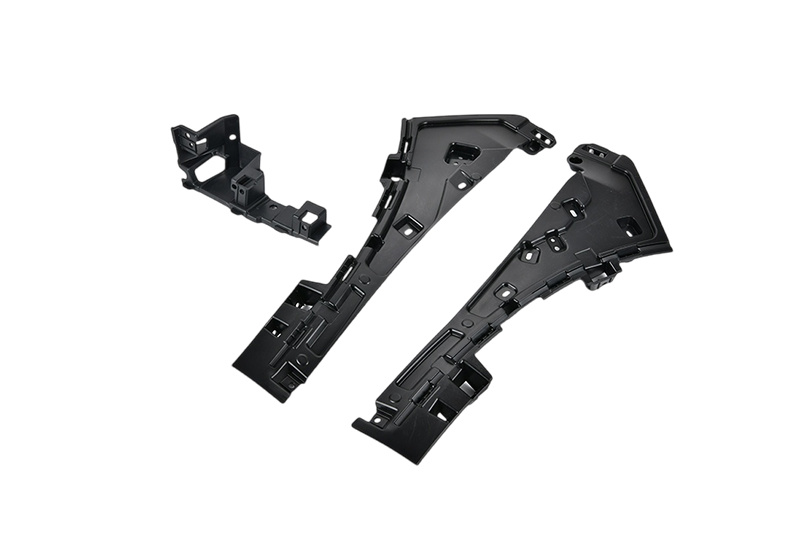
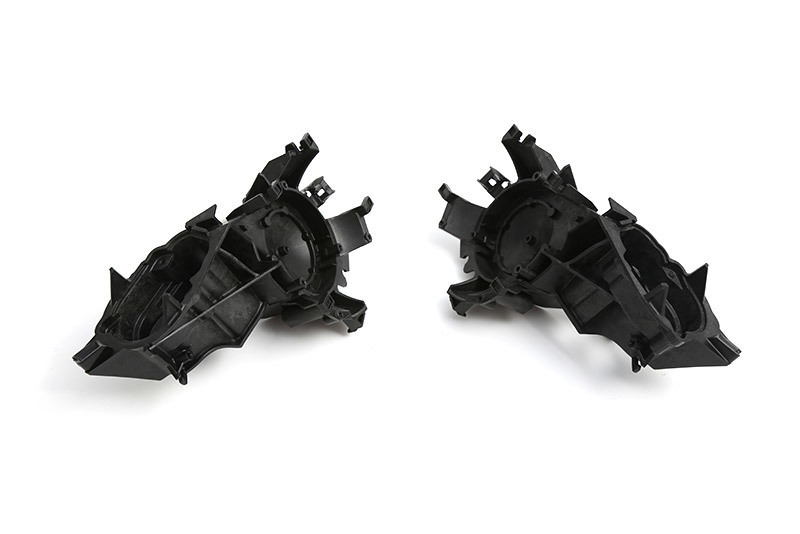
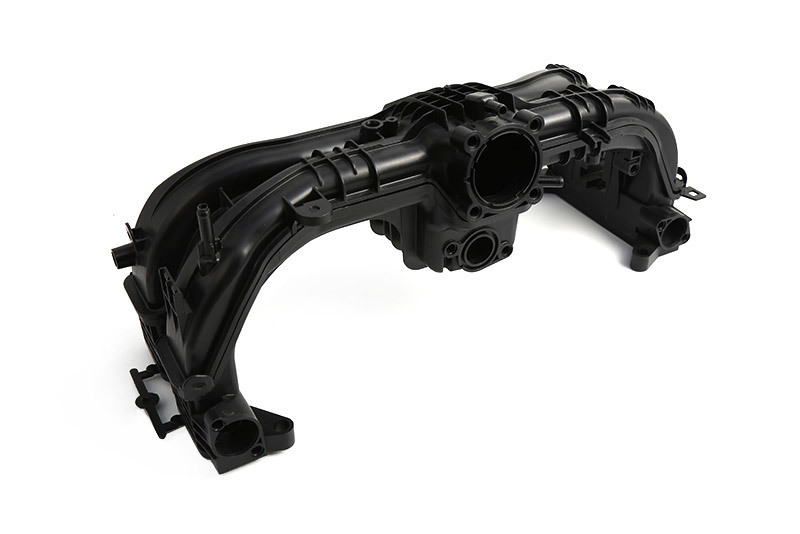
The **automotive industry** has also embraced IML technology, using it for interior components and exterior parts. IML can enhance dashboard panels, door trims, and other components by providing a durable finish that withstands wear and tear. Additionally, the high-quality graphics allow for branding and stylization that align with modern automotive design trends.
The Future of IML Technology in Manufacturing
As manufacturing continues to evolve, IML technology is expected to advance further in both capability and application. Innovations such as sustainable materials, enhanced printing techniques, and automated processes are paving the way for even greater efficiency and eco-friendliness. Manufacturers that adopt these advancements early on will likely experience significant gains in market share and customer loyalty.
The push for sustainability is also influencing **IML development**. More manufacturers are exploring bio-based and recyclable materials for both the substrates and the labels, aligning with global trends towards environmentally friendly practices. This focus on sustainability makes IML not only a strategic choice for quality and efficiency but also a responsible one.
Conclusion
In conclusion, **In-Mold Labeling (IML)** is a transformative technology that is reshaping modern manufacturing across various industries. Its ability to provide enhanced aesthetics, increased durability, and cost efficiency makes it an essential tool for manufacturers aiming to thrive in a competitive landscape. As we look toward the future, the continued evolution of IML technology promises to bring even more innovative solutions that will not only meet but exceed consumer expectations.
FAQs
1. What types of products can utilize IML technology?
IML technology is versatile and can be applied to a wide range of products, including packaging containers, consumer goods, automotive components, and more.
2. Is IML environmentally friendly?
Yes, many manufacturers are now using sustainable materials and processes in IML production, making it a more environmentally friendly option compared to traditional labeling methods.
3. How does IML compare to traditional labeling methods?
IML provides superior durability, aesthetic appeal, and cost efficiency compared to traditional labeling methods, which often involve additional steps and risks of label peeling or fading.
4. Can IML be applied to complex shapes and designs?
Absolutely! One of the advantages of IML is its ability to conform to complex shapes and designs, enabling manufacturers to create unique and attractive products.
5. What are the initial costs of implementing IML technology?
While the initial setup costs for IML can be higher due to specialized equipment and mold design, the long-term savings and benefits often outweigh these costs, leading to significant ROI.
By understanding the crucial role of IML in modern manufacturing, companies can leverage this innovative technology to enhance their products and meet the demands of today’s market.
Related news