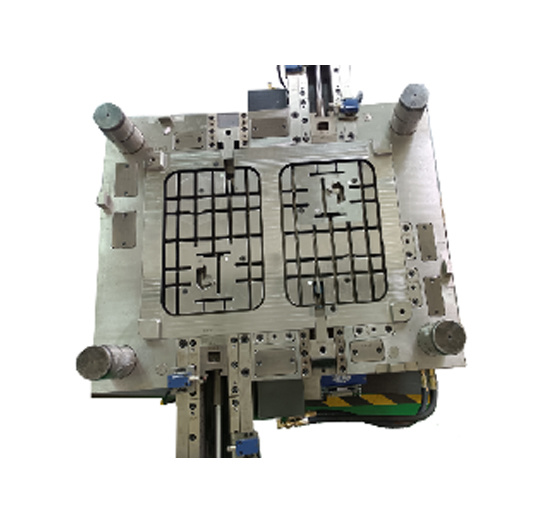
Injection Mold for Vehicle Air Inlet Pipe: Precision Tooling for Automotive Air Intake Components
Injection mold for vehicle air inlet pipe provides precise molding, smooth surfaces, and efficient mass production for durable automotive air intake components.
2026-06-09
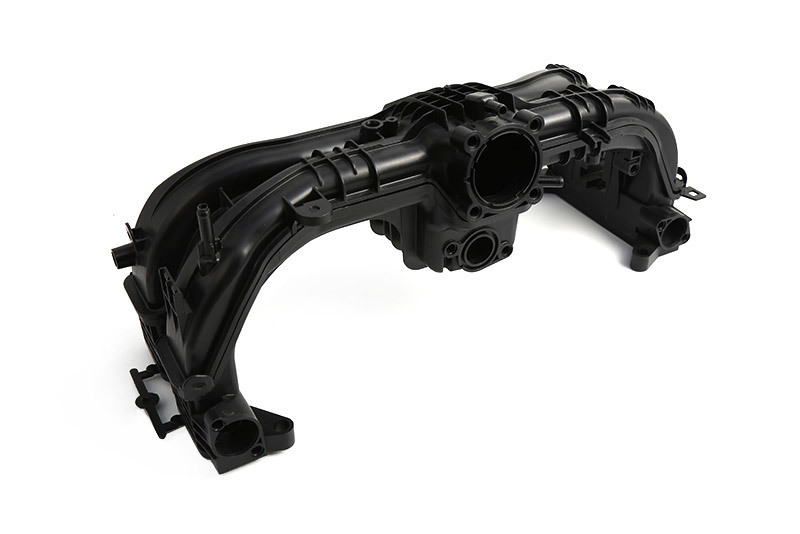
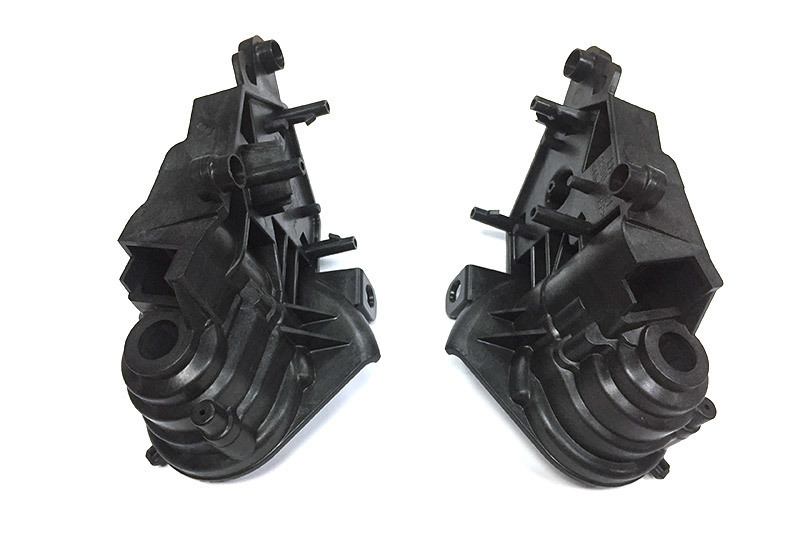
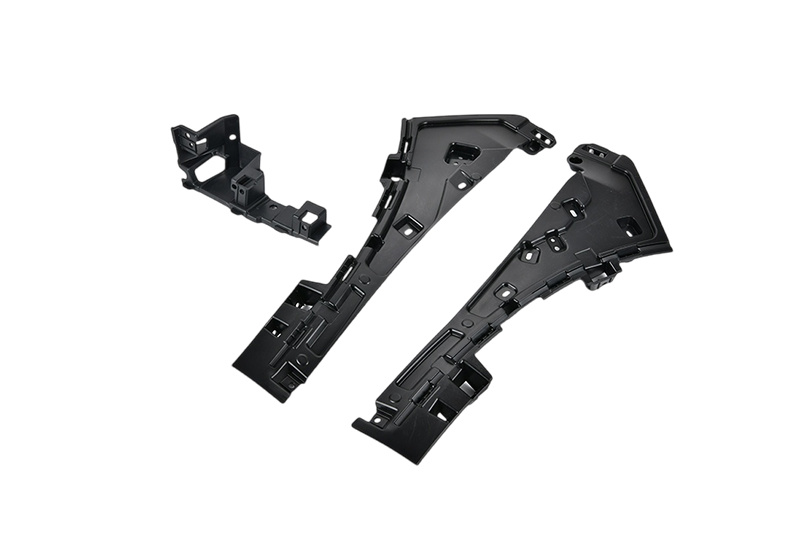
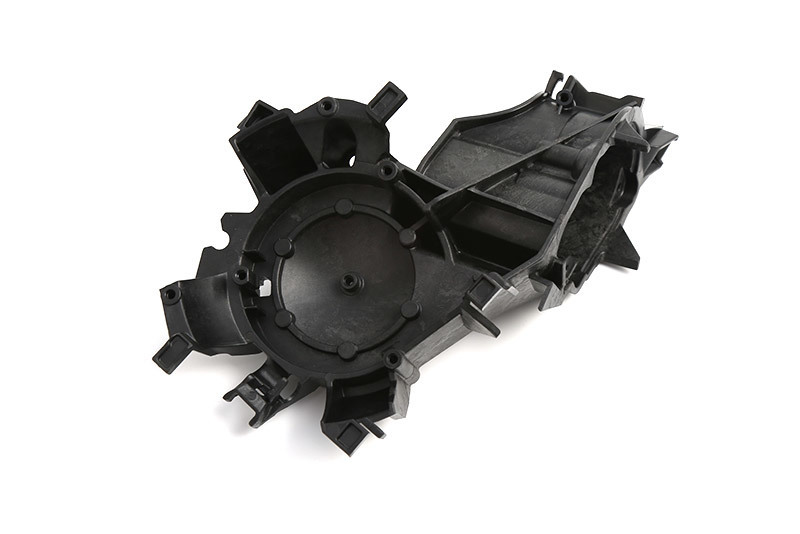
Injection mold for vehicle air inlet pipe is an essential manufacturing tool used to produce high-quality plastic air intake components for automotive applications. These molds are designed to ensure excellent dimensional accuracy, stable product quality, and efficient mass production. With the continuous development of the automotive industry and increasing requirements for lightweight and high-performance components, precision injection molds have become indispensable in the production of vehicle air inlet pipes. They are widely used in passenger cars, commercial vehicles, hybrid vehicles, and new energy vehicles.
Vehicle air inlet pipes play an important role in delivering clean air to the engine and ensuring efficient combustion. The quality and dimensional accuracy of these components directly affect engine performance, fuel efficiency, and emission control. Therefore, the injection mold used for manufacturing air inlet pipes must provide excellent precision, surface quality, and durability. Advanced mold technologies enable manufacturers to achieve consistent production while reducing material waste and production costs.
Injection molds for vehicle air inlet pipes are usually manufactured from high-quality mold steels such as P20, H13, 718, S136, and other hardened steel materials. These materials offer excellent wear resistance, toughness, and thermal stability, ensuring a long service life even under high-volume production conditions. Precision CNC machining, EDM processing, wire cutting, polishing, and heat treatment processes are employed to guarantee the accuracy and reliability of the mold components.
The mold structure is carefully designed to optimize plastic flow and minimize defects. Proper gate design and runner systems help ensure uniform filling and reduce internal stress. Hot runner systems can be adopted to improve material utilization and shorten production cycles. Advanced cooling channels are incorporated into the mold to provide efficient temperature control, allowing faster cooling and improving overall production efficiency. Uniform cooling also helps prevent deformation, shrinkage, and warpage of the finished air inlet pipe.
Depending on production requirements, single-cavity and multi-cavity molds can be designed. Single-cavity molds are suitable for prototype development and small-volume production, while multi-cavity molds provide higher productivity and lower manufacturing costs for large-scale production. Customized mold solutions can be developed according to customer drawings, samples, and specific performance requirements.
Injection molds for vehicle air inlet pipes are compatible with various engineering plastic materials commonly used in automotive applications. These include polypropylene (PP), polyamide (PA), nylon reinforced with glass fiber, ABS, PC, and other high-performance thermoplastics. These materials provide excellent mechanical strength, heat resistance, chemical resistance, and lightweight properties, making them ideal for automotive intake systems.
Modern automotive air inlet pipe molds are designed with advanced simulation software to analyze mold flow, cooling efficiency, and product deformation before manufacturing. Mold flow analysis helps optimize gate locations, runner systems, and cooling layouts, reducing trial time and improving production quality. This technology enables manufacturers to shorten development cycles and achieve higher production efficiency.
Surface finish is another important aspect of mold quality. High-precision polishing techniques provide smooth cavity surfaces, resulting in air inlet pipes with excellent appearance and dimensional consistency. Depending on customer requirements, different surface treatments and textures can be applied to meet specific functional and aesthetic demands.
Injection molds for vehicle air inlet pipes are widely used in the automotive industry, including engine intake systems, turbocharger air ducts, air filter connections, ventilation pipes, and related plastic components. These molds contribute to improved engine efficiency and reduced vehicle weight, supporting modern automotive trends toward energy saving and environmental protection.
Quality control is essential throughout the mold manufacturing process. Strict inspections are conducted on raw materials, machining accuracy, hardness, surface roughness, and assembly precision. Coordinate measuring machines and other advanced inspection equipment ensure that every mold component meets the required specifications. Trial molding and sample verification are performed before delivery to guarantee stable production performance and customer satisfaction.
Maintenance and proper operation are important for extending mold service life. Regular cleaning, lubrication, and inspection can prevent wear and maintain high precision. Proper cooling system maintenance and storage conditions also contribute to stable mold performance and reduced downtime. With appropriate maintenance, high-quality injection molds can support millions of molding cycles while maintaining excellent product consistency.
As automotive technology continues to evolve, lightweight materials and complex air intake structures are becoming increasingly common. Injection mold manufacturers are continuously improving mold design, machining technologies, and automation capabilities to meet the demands of modern vehicles. The integration of CAD, CAM, CAE, and intelligent manufacturing systems further enhances productivity and precision. Automated mold production and robotic handling systems help reduce labor costs and increase manufacturing efficiency.
Environmental considerations are also driving innovation in mold manufacturing. Energy-efficient cooling systems, optimized material utilization, and recyclable engineering plastics contribute to sustainable production. Advanced hot runner technologies reduce waste and improve production efficiency, supporting green manufacturing initiatives throughout the automotive industry.
Injection molds for vehicle air inlet pipes provide reliable, efficient, and cost-effective solutions for producing critical automotive components. Their precision, durability, and compatibility with various engineering materials make them indispensable tools in modern vehicle manufacturing. With continuous advancements in mold design and manufacturing technology, these molds will continue to play an important role in improving automotive performance, reducing production costs, and supporting the development of next-generation vehicles.
Related news