Optimizing Injection Molds for Air Intake Pipe Assemblies: A Comprehensive Guide
Injection molds play a pivotal role in the manufacturing process of air intake pipe assemblies, which are crucial for the performance of automotive engines. The effectiveness of the injection molding process directly impacts the quality, functionality, and longevity of these components. Therefore, understanding the intricate details of creating efficient molds is essential for manufacturers in the
2026-05-30
Injection molds play a pivotal role in the manufacturing process of air intake pipe assemblies, which are crucial for the performance of automotive engines. The effectiveness of the injection molding process directly impacts the quality, functionality, and longevity of these components. Therefore, understanding the intricate details of creating efficient molds is essential for manufacturers in the machinery processing sector, particularly those focusing on plastic molding.
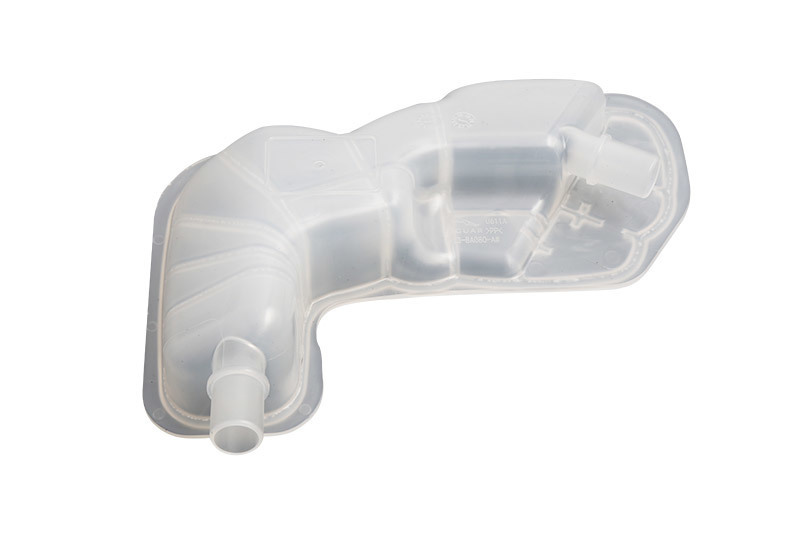
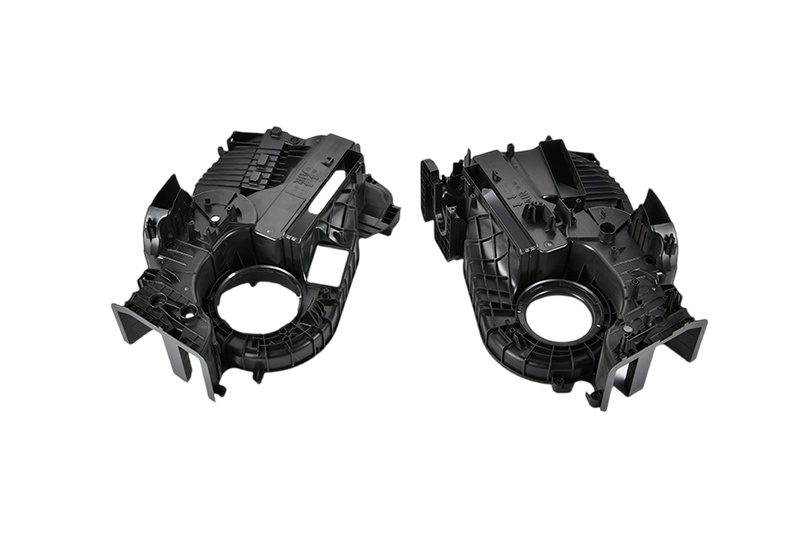
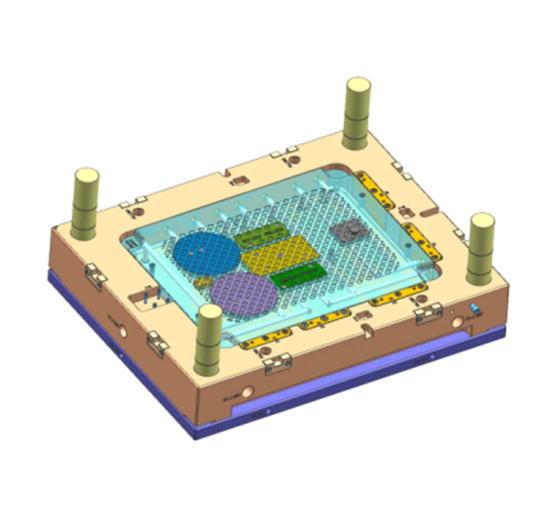
When designing injection molds for air intake pipe assemblies, several factors should be considered. First, the geometry of the mold must be optimized to allow for proper flow of the molten plastic. The complexity of the air intake pipe’s design often necessitates a multi-part mold, which can include slides and lifters to ensure that the final product has the desired shape and is easy to eject from the mold.
Material selection is another critical aspect of injection molding for air intake pipe assemblies. The materials used must withstand high temperatures and resist chemical exposure, as these components are subjected to a variety of environmental conditions under the hood of a vehicle. Commonly used materials include high-performance thermoplastics such as polyamide (nylon) and polyphenylene sulfide (PPS), which offer excellent mechanical properties and thermal stability.
In addition to material selection, the processing parameters during injection molding must be carefully controlled. Factors such as injection speed, pressure, and cooling time play a significant role in determining the quality of the air intake pipe assembly. For instance, high injection speeds can improve the filling of complex mold cavities, but they may also lead to defects such as warping or excessive shear stress in the final product. Therefore, a balance must be struck to optimize these parameters.
Moreover, incorporating advanced technologies such as computer-aided design (CAD) and simulation software can aid in predicting potential issues in the molding process. These tools allow manufacturers to visualize the flow of materials and identify possible defects before actual production begins, thereby reducing waste and improving efficiency.
In conclusion, mastering the process of injection molding for air intake pipe assemblies involves a combination of design considerations, careful material selection, and precise control of processing conditions. By focusing on these aspects, manufacturers can enhance the production efficiency and quality of their components, ultimately leading to more reliable and high-performing automotive applications. As the automotive industry continues to evolve, staying abreast of the latest advancements in injection molding technology will be crucial for maintaining a competitive edge in the market.
When designing injection molds for air intake pipe assemblies, several factors should be considered. First, the geometry of the mold must be optimized to allow for proper flow of the molten plastic. The complexity of the air intake pipe’s design often necessitates a multi-part mold, which can include slides and lifters to ensure that the final product has the desired shape and is easy to eject from the mold.
Material selection is another critical aspect of injection molding for air intake pipe assemblies. The materials used must withstand high temperatures and resist chemical exposure, as these components are subjected to a variety of environmental conditions under the hood of a vehicle. Commonly used materials include high-performance thermoplastics such as polyamide (nylon) and polyphenylene sulfide (PPS), which offer excellent mechanical properties and thermal stability.
In addition to material selection, the processing parameters during injection molding must be carefully controlled. Factors such as injection speed, pressure, and cooling time play a significant role in determining the quality of the air intake pipe assembly. For instance, high injection speeds can improve the filling of complex mold cavities, but they may also lead to defects such as warping or excessive shear stress in the final product. Therefore, a balance must be struck to optimize these parameters.
Moreover, incorporating advanced technologies such as computer-aided design (CAD) and simulation software can aid in predicting potential issues in the molding process. These tools allow manufacturers to visualize the flow of materials and identify possible defects before actual production begins, thereby reducing waste and improving efficiency.
In conclusion, mastering the process of injection molding for air intake pipe assemblies involves a combination of design considerations, careful material selection, and precise control of processing conditions. By focusing on these aspects, manufacturers can enhance the production efficiency and quality of their components, ultimately leading to more reliable and high-performing automotive applications. As the automotive industry continues to evolve, staying abreast of the latest advancements in injection molding technology will be crucial for maintaining a competitive edge in the market.
Related news