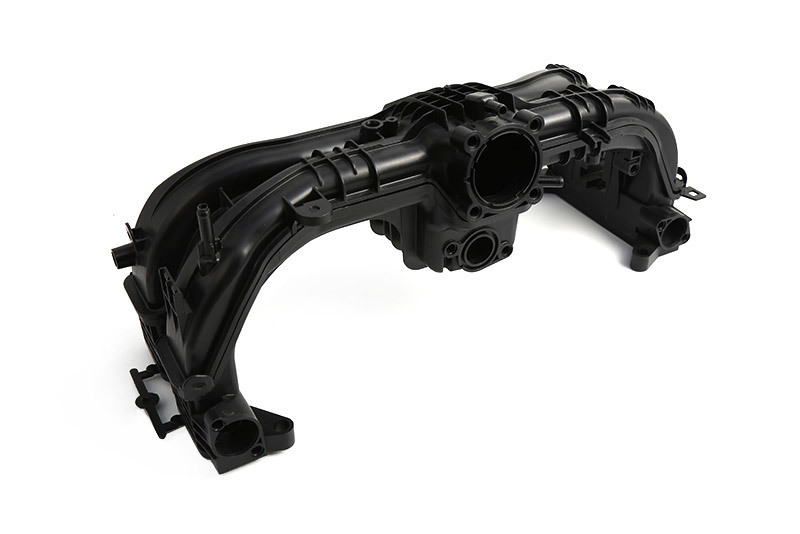
Understanding Injection Molding for Air Intake Pipe Assembly: A Guide for Manufacturers
Injection molding is a highly efficient manufacturing process used to produce complex plastic parts, including air intake pipe assemblies. The air intake pipe plays a vital role in the automotive industry by directing air into the engine, optimizing performance, and enhancing fuel efficiency. To ensure that these components meet stringent quality and performance standards, manufacturers must under
2026-04-12
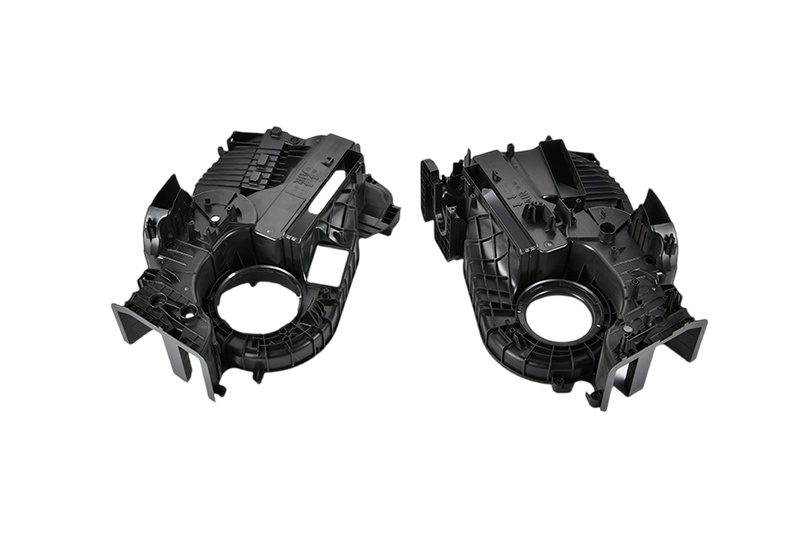
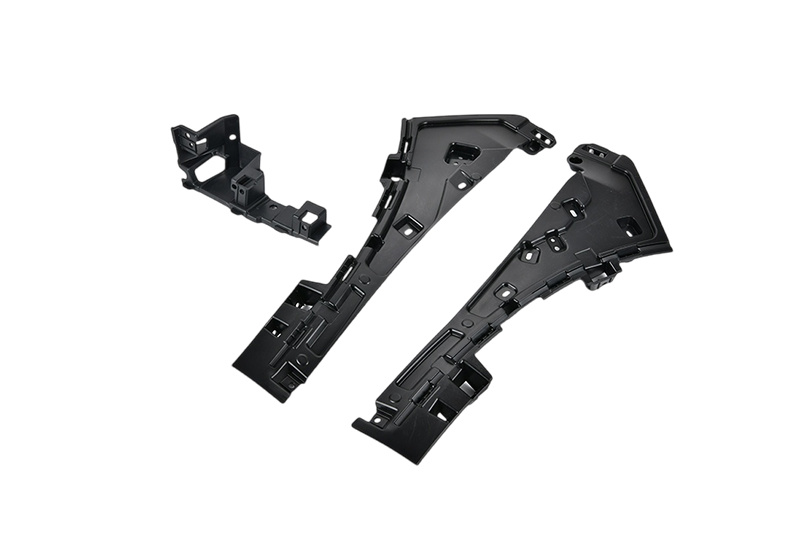
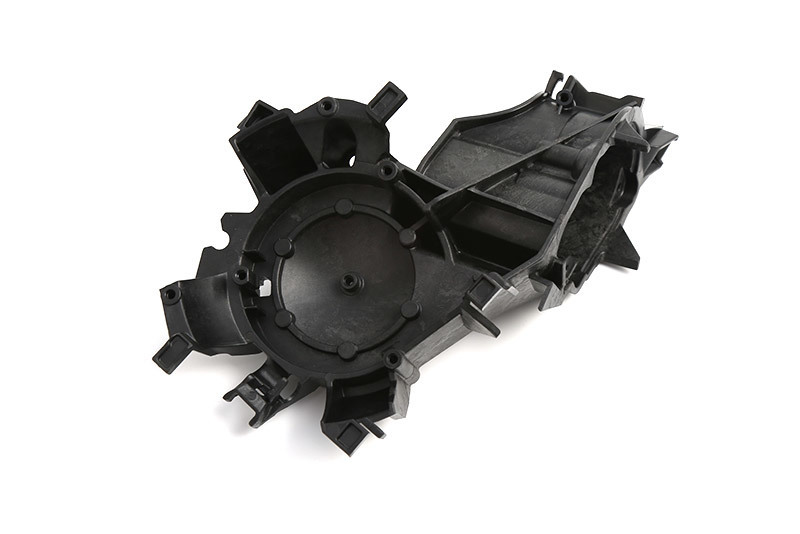
Injection molding is a highly efficient manufacturing process used to produce complex plastic parts, including air intake pipe assemblies. The air intake pipe plays a vital role in the automotive industry by directing air into the engine, optimizing performance, and enhancing fuel efficiency. To ensure that these components meet stringent quality and performance standards, manufacturers must understand the intricacies of injection molding.
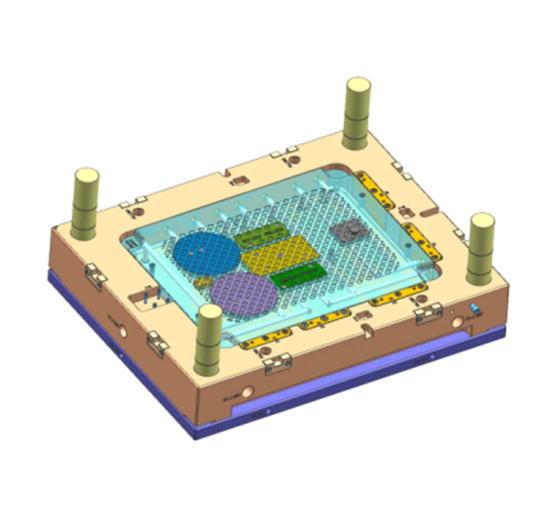
The process begins with the design of the mold, which is a critical aspect of producing high-quality air intake pipes. A well-designed mold ensures that the part is manufactured with precision, minimizing defects and ensuring uniformity. Factors to consider during mold design include cooling channels, gating systems, and ejection mechanisms. Properly designed cooling channels can significantly reduce cycle times, leading to increased production efficiency.
Materials selection is another essential consideration in the injection molding process for air intake pipe assemblies. Common materials used for these parts include polypropylene, polyethylene, and nylon, each offering unique properties such as heat resistance, flexibility, and strength. The choice of material will affect not only the performance of the air intake pipe but also its durability and overall manufacturing cost. Manufacturers should always consider the specific requirements of the application, including temperature and chemical exposure, when selecting materials.
The injection molding process itself involves several key steps. First, the raw plastic material is fed into the injection molding machine, where it is heated until it reaches a molten state. The molten plastic is then injected into the mold cavity under high pressure. Once the material cools and solidifies, the mold opens, and the finished air intake pipe assembly is ejected. This process allows for the production of complex geometries and high volumes of parts with minimal waste.
Quality control is paramount when it comes to injection molded air intake pipe assemblies. Manufacturers often employ techniques such as in-process monitoring, visual inspections, and dimensional checks to ensure that each part meets the required specifications. Implementing robust quality assurance protocols not only helps in maintaining consistency but also in building trust with clients.
In conclusion, understanding the injection molding process for air intake pipe assemblies is essential for manufacturers in the plastic molding industry. By focusing on mold design, material selection, and quality control, manufacturers can optimize their production processes and produce high-quality components that meet the demands of the automotive market. This knowledge not only enhances operational efficiency but also helps in positioning manufacturers as leaders in their field.
The process begins with the design of the mold, which is a critical aspect of producing high-quality air intake pipes. A well-designed mold ensures that the part is manufactured with precision, minimizing defects and ensuring uniformity. Factors to consider during mold design include cooling channels, gating systems, and ejection mechanisms. Properly designed cooling channels can significantly reduce cycle times, leading to increased production efficiency.
Materials selection is another essential consideration in the injection molding process for air intake pipe assemblies. Common materials used for these parts include polypropylene, polyethylene, and nylon, each offering unique properties such as heat resistance, flexibility, and strength. The choice of material will affect not only the performance of the air intake pipe but also its durability and overall manufacturing cost. Manufacturers should always consider the specific requirements of the application, including temperature and chemical exposure, when selecting materials.
The injection molding process itself involves several key steps. First, the raw plastic material is fed into the injection molding machine, where it is heated until it reaches a molten state. The molten plastic is then injected into the mold cavity under high pressure. Once the material cools and solidifies, the mold opens, and the finished air intake pipe assembly is ejected. This process allows for the production of complex geometries and high volumes of parts with minimal waste.
Quality control is paramount when it comes to injection molded air intake pipe assemblies. Manufacturers often employ techniques such as in-process monitoring, visual inspections, and dimensional checks to ensure that each part meets the required specifications. Implementing robust quality assurance protocols not only helps in maintaining consistency but also in building trust with clients.
In conclusion, understanding the injection molding process for air intake pipe assemblies is essential for manufacturers in the plastic molding industry. By focusing on mold design, material selection, and quality control, manufacturers can optimize their production processes and produce high-quality components that meet the demands of the automotive market. This knowledge not only enhances operational efficiency but also helps in positioning manufacturers as leaders in their field.
Related news