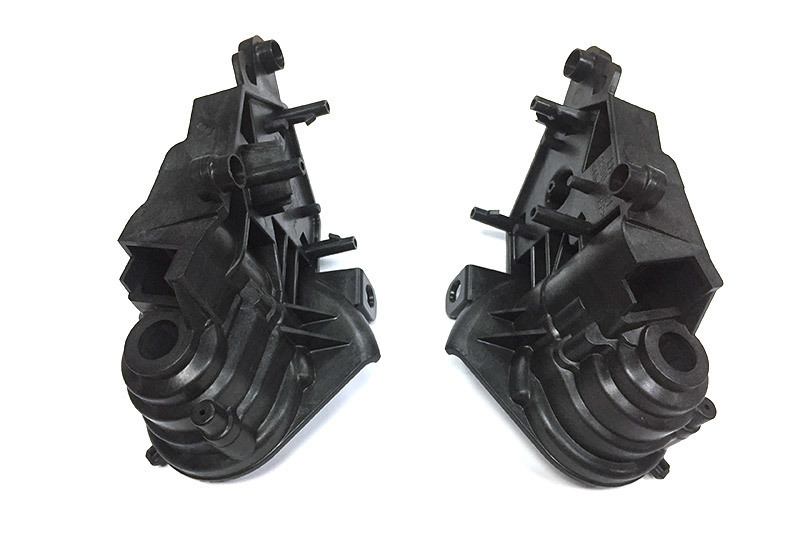
Understanding Injection Molds for Drain Trays: Key Considerations in Manufacturing
Injection molds for drain trays play a crucial role in the manufacturing of high-quality plastic products that are widely used in various industries, including food service, automotive, and agriculture. Understanding the intricacies of these molds can significantly enhance production efficiency and product performance. The design of an injection mold for a drain tray involves several key factors.
2025-12-21
Injection molds for drain trays play a crucial role in the manufacturing of high-quality plastic products that are widely used in various industries, including food service, automotive, and agriculture. Understanding the intricacies of these molds can significantly enhance production efficiency and product performance.
The design of an injection mold for a drain tray involves several key factors. Firstly, the mold must accommodate the unique shape and drainage features of the tray. This includes ensuring that the drainage holes are adequately placed to facilitate water flow, while also maintaining structural integrity. A well-designed mold will reduce the risk of defects, such as warping or incomplete filling, which can adversely affect the final product.
Material selection is another critical consideration when working with injection molds for drain trays. Common materials used in this application include polypropylene and polycarbonate, owing to their durability, lightweight nature, and resistance to chemicals. When choosing materials, manufacturers must consider the intended use of the drain tray, including temperature resistance and potential exposure to various substances.
In addition to the design and material considerations, the manufacturing process itself is vital. Precision in the injection molding process ensures that the final product meets the required specifications. Factors such as temperature control, injection speed, and cooling time must be closely monitored to achieve consistent results. Utilizing advanced technologies, such as computer-aided design (CAD) and computer-aided manufacturing (CAM), can aid in optimizing the mold design and production process.
Furthermore, maintenance of injection molds for drain trays is essential to prolong their lifespan and maintain product quality. Regular inspections and cleaning can prevent issues such as clogs or wear that may lead to costly downtime. Establishing a routine maintenance schedule can help manufacturers avoid disruptions in production.
Finally, when considering injection molds for drain trays, collaboration with experienced mold designers and manufacturers can provide valuable insights into best practices and innovative solutions. Engaging with industry experts can lead to improved designs that enhance functionality and efficiency.
In summary, the effectiveness of injection molds for drain trays hinges on thoughtful design, appropriate material selection, precise manufacturing processes, and ongoing maintenance. By paying attention to these factors, manufacturers can produce high-quality drain trays that meet the needs of various applications while optimizing production efficiency.
The design of an injection mold for a drain tray involves several key factors. Firstly, the mold must accommodate the unique shape and drainage features of the tray. This includes ensuring that the drainage holes are adequately placed to facilitate water flow, while also maintaining structural integrity. A well-designed mold will reduce the risk of defects, such as warping or incomplete filling, which can adversely affect the final product.
Material selection is another critical consideration when working with injection molds for drain trays. Common materials used in this application include polypropylene and polycarbonate, owing to their durability, lightweight nature, and resistance to chemicals. When choosing materials, manufacturers must consider the intended use of the drain tray, including temperature resistance and potential exposure to various substances.
In addition to the design and material considerations, the manufacturing process itself is vital. Precision in the injection molding process ensures that the final product meets the required specifications. Factors such as temperature control, injection speed, and cooling time must be closely monitored to achieve consistent results. Utilizing advanced technologies, such as computer-aided design (CAD) and computer-aided manufacturing (CAM), can aid in optimizing the mold design and production process.
Furthermore, maintenance of injection molds for drain trays is essential to prolong their lifespan and maintain product quality. Regular inspections and cleaning can prevent issues such as clogs or wear that may lead to costly downtime. Establishing a routine maintenance schedule can help manufacturers avoid disruptions in production.
Finally, when considering injection molds for drain trays, collaboration with experienced mold designers and manufacturers can provide valuable insights into best practices and innovative solutions. Engaging with industry experts can lead to improved designs that enhance functionality and efficiency.
In summary, the effectiveness of injection molds for drain trays hinges on thoughtful design, appropriate material selection, precise manufacturing processes, and ongoing maintenance. By paying attention to these factors, manufacturers can produce high-quality drain trays that meet the needs of various applications while optimizing production efficiency.
Related news