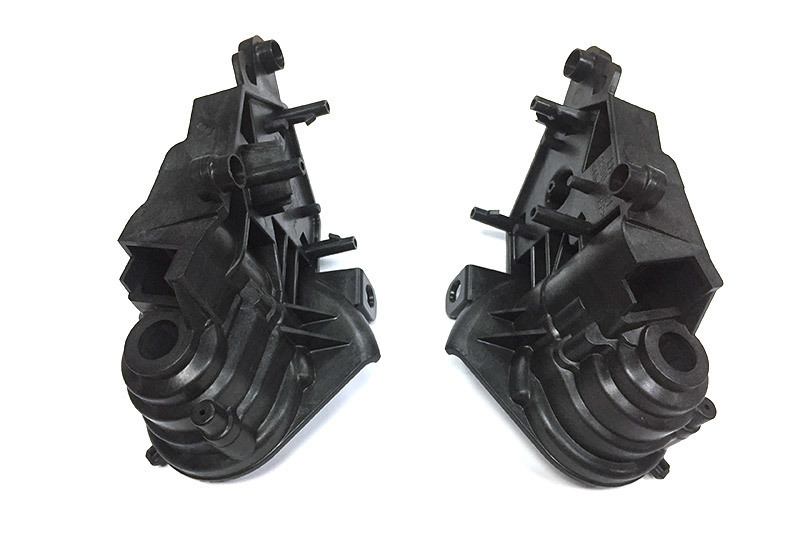
Optimizing Injection Molds for Air Intake Pipe Assembly: Key Considerations and Best Practices
Injection molding is a critical process in the manufacturing of air intake pipe assemblies, where precision and efficiency are paramount. The air intake pipe, a vital component in automotive systems, requires molds that can produce high-quality parts consistently. When considering the design and implementation of injection molds for air intake pipe assemblies, several key aspects must be taken int
2025-12-13
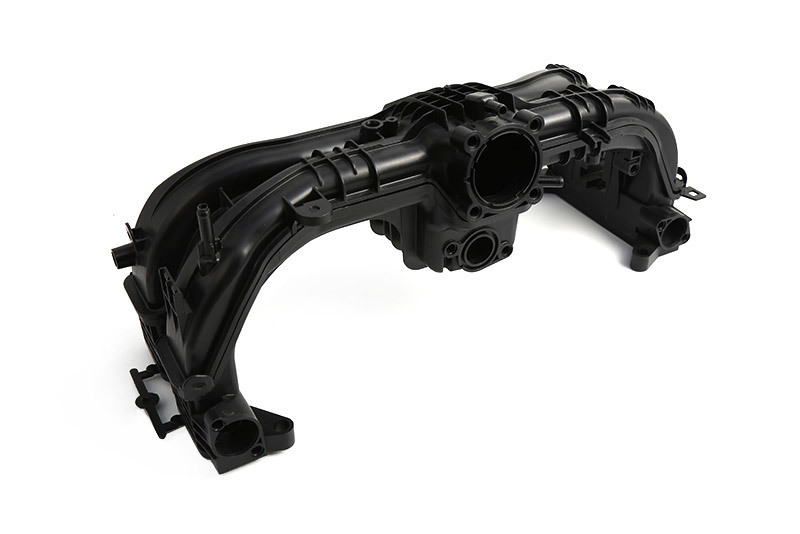
Injection molding is a critical process in the manufacturing of air intake pipe assemblies, where precision and efficiency are paramount. The air intake pipe, a vital component in automotive systems, requires molds that can produce high-quality parts consistently. When considering the design and implementation of injection molds for air intake pipe assemblies, several key aspects must be taken into account.
First, the material selection is vital. The chosen polymer must exhibit properties such as heat resistance, durability, and chemical stability, as air intake pipes are often exposed to extreme temperatures and various fluids. Common materials for this application include engineering thermoplastics like polyamide (nylon) and polyphenylene sulfide (PPS), which offer the necessary strength and resilience.
Next, the mold design plays a crucial role in the overall success of the injection molding process. Effective mold design should incorporate features such as proper venting, cooling channels, and a suitable gating system. Venting allows trapped air to escape during the injection process, reducing the likelihood of defects such as voids or sink marks. Cooling channels are essential for maintaining temperature control, ensuring that the melted polymer solidifies evenly and quickly.
Additionally, the production cycle time is a significant factor in optimizing efficiency. Reducing cycle time while maintaining quality involves fine-tuning parameters such as injection speed, temperature, and pressure. Utilizing advanced technology, such as computer-aided design (CAD) and simulation tools, can help predict how the material will flow within the mold, allowing for adjustments that minimize cycle times and maximize production rates.
Quality control is another critical aspect of the injection molding process for air intake pipes. Implementing thorough inspection protocols ensures that the final products meet the required specifications and tolerances. Techniques such as dimensional analysis, visual inspection, and non-destructive testing can help identify any issues early in the production process, ultimately saving time and resources.
Lastly, collaboration between design engineers and mold makers is essential. Early involvement of all stakeholders in the design phase can lead to innovations that enhance the mold's performance and the final product's functionality. Open communication streams allow for the sharing of insights and technical expertise, paving the way for improved production outcomes.
In conclusion, mastering the intricacies of injection molds for air intake pipe assemblies requires a comprehensive understanding of material selection, mold design, cycle time optimization, quality control, and collaboration. By focusing on these key areas, professionals in the manufacturing and machining industry can significantly enhance their production capabilities and ensure the delivery of high-quality air intake components.
First, the material selection is vital. The chosen polymer must exhibit properties such as heat resistance, durability, and chemical stability, as air intake pipes are often exposed to extreme temperatures and various fluids. Common materials for this application include engineering thermoplastics like polyamide (nylon) and polyphenylene sulfide (PPS), which offer the necessary strength and resilience.
Next, the mold design plays a crucial role in the overall success of the injection molding process. Effective mold design should incorporate features such as proper venting, cooling channels, and a suitable gating system. Venting allows trapped air to escape during the injection process, reducing the likelihood of defects such as voids or sink marks. Cooling channels are essential for maintaining temperature control, ensuring that the melted polymer solidifies evenly and quickly.
Additionally, the production cycle time is a significant factor in optimizing efficiency. Reducing cycle time while maintaining quality involves fine-tuning parameters such as injection speed, temperature, and pressure. Utilizing advanced technology, such as computer-aided design (CAD) and simulation tools, can help predict how the material will flow within the mold, allowing for adjustments that minimize cycle times and maximize production rates.
Quality control is another critical aspect of the injection molding process for air intake pipes. Implementing thorough inspection protocols ensures that the final products meet the required specifications and tolerances. Techniques such as dimensional analysis, visual inspection, and non-destructive testing can help identify any issues early in the production process, ultimately saving time and resources.
Lastly, collaboration between design engineers and mold makers is essential. Early involvement of all stakeholders in the design phase can lead to innovations that enhance the mold's performance and the final product's functionality. Open communication streams allow for the sharing of insights and technical expertise, paving the way for improved production outcomes.
In conclusion, mastering the intricacies of injection molds for air intake pipe assemblies requires a comprehensive understanding of material selection, mold design, cycle time optimization, quality control, and collaboration. By focusing on these key areas, professionals in the manufacturing and machining industry can significantly enhance their production capabilities and ensure the delivery of high-quality air intake components.
Related news