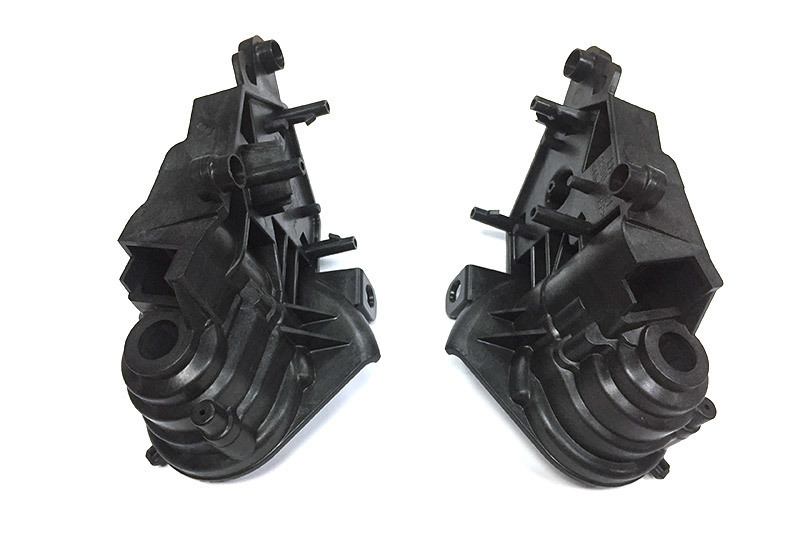
The Future of Auto Dashboards: Innovations in Injection Mold Technology
The Future of Auto Dashboards: Innovations in Injection Mold Technology Introduction to Auto Dashboards and Their Evolution The automotive industry is witnessing rapid transformations, particularly in the design and functionality of auto dashboards. As consumer demands rise for more interactive, customizable, and user-friendly interfaces, manufacturers are exploring innovative methods to enhance d
2025-12-09
The Future of Auto Dashboards: Innovations in Injection Mold Technology
Introduction to Auto Dashboards and Their Evolution
The automotive industry is witnessing rapid transformations, particularly in the design and functionality of auto dashboards. As consumer demands rise for more interactive, customizable, and user-friendly interfaces, manufacturers are exploring innovative methods to enhance dashboard production. One of the most significant advancements driving these changes is **injection mold technology**. This article delves into the future of auto dashboards, focusing on how innovations in injection molding are reshaping the industry.
Understanding Injection Mold Technology
Injection molding is a manufacturing process used to create parts by injecting material into a mold. This technology enables the production of complex shapes with high precision, making it ideal for producing dashboard components. The process involves several key steps:
The Injection Molding Process
1. **Material Selection**: Different plastics are chosen based on the required properties, such as strength, flexibility, and aesthetic quality.
2. **Mold Design**: Engineers create detailed molds that reflect the desired design of the dashboard components.
3. **Injection**: The selected material is heated until it becomes liquid and is then injected into the mold under high pressure.
4. **Cooling and Ejection**: Once the material cools and solidifies, the mold opens, and the finished part is ejected.
Advantages of Injection Mold Technology
- **Cost-Effectiveness**: High-volume production leads to reduced costs per unit.
- **Design Flexibility**: Complex geometries can be achieved, allowing for more intricate dashboard designs.
- **Durability**: Parts produced through injection molding are often stronger and more resilient, suitable for the automotive environment.
Current Trends in Auto Dashboards
As we look toward the future, several trends are emerging in the design and functionality of auto dashboards, heavily influenced by advancements in injection mold technology.
User-Centric Design
Modern dashboards are increasingly focused on user experience. Manufacturers are integrating **touchscreens, voice recognition, and augmented reality** interfaces into their designs. This shift towards user-centric dashboards requires innovative molding techniques to create seamless, multi-functional surfaces.
Sustainability in Manufacturing
The automotive industry is under pressure to adopt sustainable practices. Injection mold technology is evolving to utilize **bioplastics** and recycled materials, reducing environmental impact. This shift not only meets regulatory requirements but also appeals to eco-conscious consumers.
Integration of Smart Technology
The incorporation of smart technology into dashboards is another significant trend. Features like **adaptive displays** and **real-time data integration** require sophisticated components that can be efficiently produced through advanced injection molding techniques.
The Role of Advanced Materials in Dashboard Manufacturing
The choice of materials is crucial in the evolution of auto dashboards. Traditional plastics are being replaced or enhanced by new materials that offer better performance.
High-Performance Plastics
Materials such as **polycarbonate**, **ABS**, and **polypropylene** are increasingly favored for their durability and aesthetic qualities. These high-performance plastics can withstand harsh automotive environments while providing a premium look and feel.
Smart Materials and Their Impact
Smart materials that can change properties in response to environmental conditions are becoming popular in dashboard design. For example, thermochromic materials can change color based on temperature, adding an interactive element to dashboards produced through injection molding.
Future Innovations in Injection Mold Technology
As the automotive sector continues to evolve, several exciting innovations in injection mold technology are set to shape the future of auto dashboards.
3D Printing and Injection Molding Integration
The combination of **3D printing and injection molding** is a game-changer. While traditional injection molding is ideal for high-volume production, 3D printing allows for rapid prototyping and customization. This hybrid approach enables manufacturers to innovate faster and respond more effectively to market trends.
Advanced Automation and AI in Molding Processes
The integration of **artificial intelligence (AI)** and **automation** in injection molding processes is streamlining production. AI can optimize the molding cycle, predict maintenance needs, and enhance quality control, ensuring that dashboard components meet high standards consistently.
Challenges Facing the Automotive Dashboard Manufacturing Industry
While the future looks promising, several challenges persist in the manufacturing of auto dashboards.
Balancing Cost and Quality
Manufacturers must find a balance between reducing costs and maintaining high-quality standards. The pressure to lower production costs can lead to compromises in material quality and design integrity.
Supply Chain Disruptions
Global supply chain issues can affect the availability of materials required for injection molding. Manufacturers need to develop strategies to mitigate these disruptions and ensure a steady supply of high-quality materials.
Case Studies in Automotive Dashboard Innovations
Several automotive companies are leading the way in integrating innovative injection mold technology into their dashboard designs.
Case Study 1: Tesla’s Futuristic Dashboard
Tesla has redefined the concept of the dashboard by incorporating a large touchscreen that serves as the central control interface. The use of advanced injection molding techniques has allowed Tesla to integrate complex curves and seamless surfaces, resulting in a sleek, modern aesthetic.
Case Study 2: BMW’s User-Centric Approach
BMW has invested heavily in user-centric dashboard designs that prioritize interactivity and ease of use. By employing advanced materials and innovative molding techniques, BMW has created dashboards that not only look great but also enhance the driving experience.
Frequently Asked Questions (FAQs)
1. What is injection molding?
Injection molding is a manufacturing process used to produce parts by injecting molten material into a mold. It is widely used in the automotive industry for creating dashboard components.
2. How does injection molding benefit auto dashboard production?
Injection molding offers several benefits, including cost-effectiveness, design flexibility, and durability, making it ideal for producing high-quality dashboard components.
3. What materials are commonly used in auto dashboards?
Common materials include polycarbonate, ABS, and polypropylene, often chosen for their strength, flexibility, and aesthetic appeal.
4. How is sustainability integrated into dashboard manufacturing?
Manufacturers are adopting sustainable practices by utilizing bioplastics and recycled materials in the injection molding process, reducing the environmental impact.
5. What is the future of auto dashboard technology?
The future of auto dashboards includes advancements in smart technology, user-centric design, and innovations in injection mold technology that enhance customization and functionality.
Conclusion
The future of auto dashboards is bright, shaped by innovations in injection mold technology that promise to enhance design, sustainability, and user experience. As the automotive industry continues to evolve, manufacturers must embrace these advancements to meet consumer demands and stay competitive. By leveraging cutting-edge materials and techniques, the next generation of dashboards will not only look impressive but also provide an unparalleled level of functionality and interactivity, paving the way for a new era in automotive design.
Related news