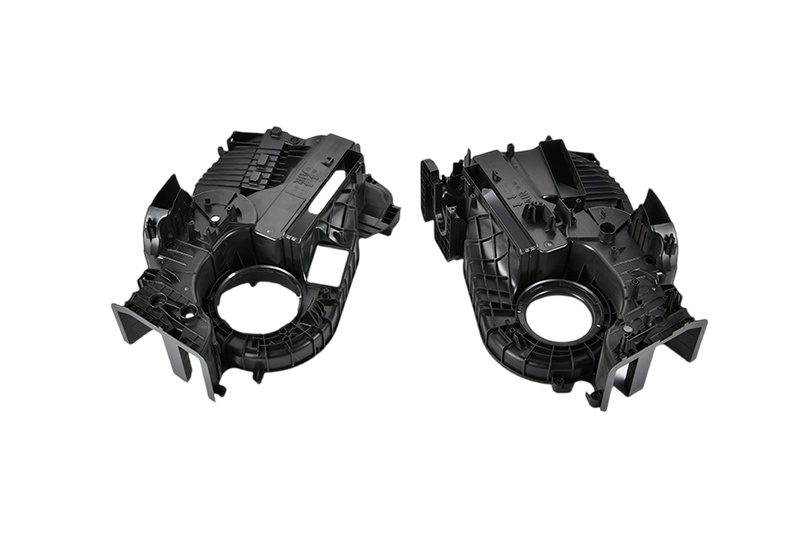
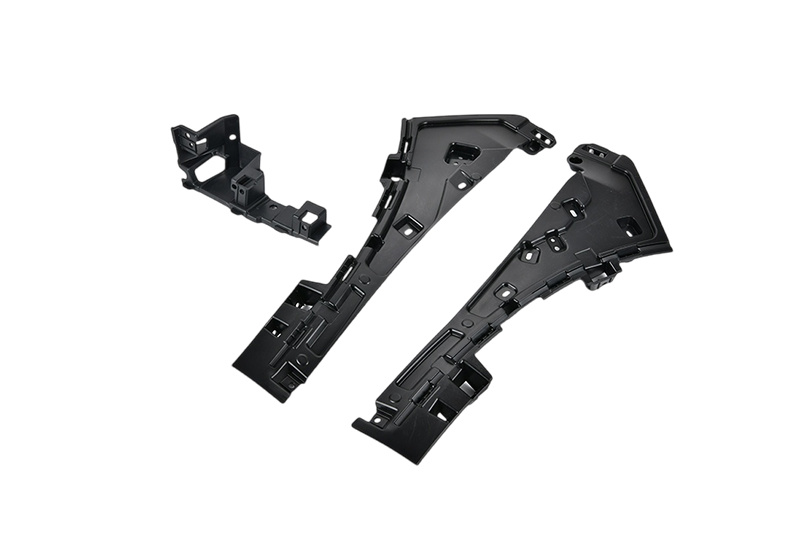
Injection Molding for Rear View Mirror Housing: Process, Materials, and Advantages
Injection molding for rear view mirror housing produces strong, precise plastic parts, ensuring durability and consistent quality for automotive use.
2026-04-02
Injection molding is a widely used manufacturing process that involves injecting molten plastic into a precisely designed mold to create complex parts with high accuracy and repeatability. One of the most common applications of injection molding is in the production of rear view mirror housings for vehicles. This process is ideal for creating parts that require precision and durability, such as the housing that protects the rear view mirror and other components from external damage.
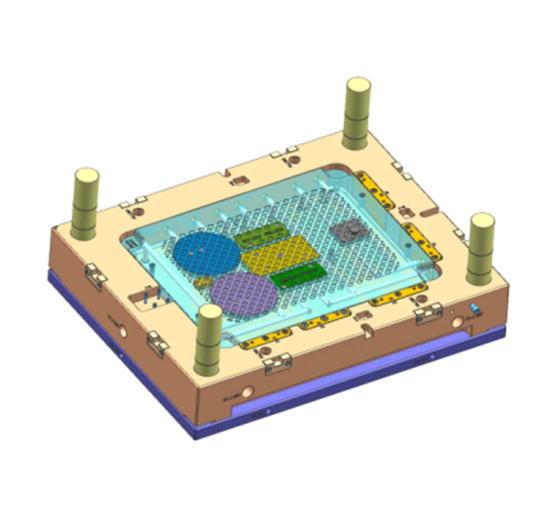
In the case of rear view mirror housings, the process begins with the design phase, where engineers use computer-aided design (CAD) software to create detailed models of the housing. These models are used to design the molds that will be used in the injection molding process. The design of the mold is crucial, as it must accommodate the shape and features of the housing while ensuring that the mold can be efficiently filled with the molten plastic and that the part can be easily ejected after cooling.
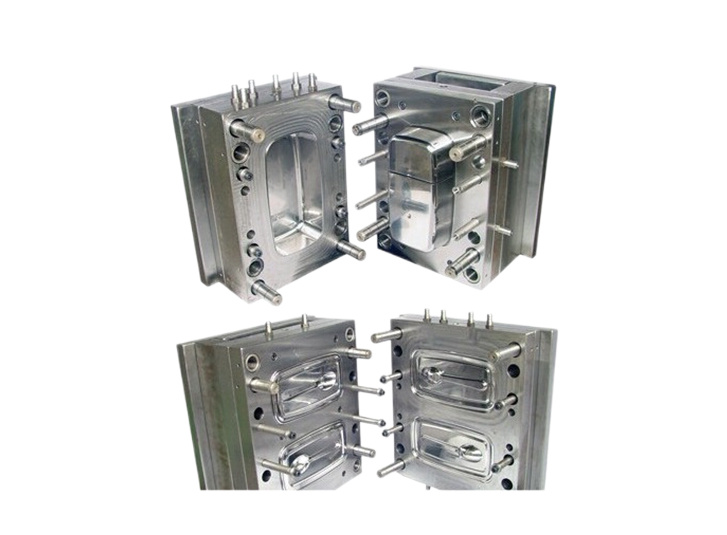
Once the design phase is completed, a mold is fabricated from high-strength steel. The steel is machined with precision to ensure that the mold matches the design specifications exactly. After the mold is complete, it is mounted onto an injection molding machine. The machine heats the plastic material, typically a type of thermoplastic, to its melting point. The molten plastic is then injected under high pressure into the mold cavity. The high pressure ensures that the plastic fills every corner and detail of the mold, creating an accurate and detailed part.
After the mold is filled with molten plastic, the material begins to cool and solidify. The cooling process is crucial for ensuring that the part maintains its shape and dimensional accuracy. Once the part has cooled sufficiently, the mold is opened, and the rear view mirror housing is ejected. This part is typically subjected to additional finishing processes, such as trimming excess material, painting, or coating to achieve the desired surface quality and appearance.
The materials used in injection molding for rear view mirror housings are chosen for their strength, durability, and resistance to environmental factors such as UV radiation, moisture, and temperature fluctuations. Common materials used include acrylonitrile butadiene styrene (ABS) and polycarbonate (PC), both of which offer excellent impact resistance, UV stability, and good thermal properties. ABS is a popular choice due to its toughness and ability to withstand harsh environmental conditions, while polycarbonate is chosen for its high strength and optical clarity, which is important when the housing may be exposed to direct sunlight and varying weather conditions.
The injection molding process for rear view mirror housings offers several key advantages. First, it allows for the production of high-quality, complex parts with tight tolerances. The process can create intricate details and fine features that would be difficult to achieve using other manufacturing methods. Second, injection molding is highly scalable. Once the initial mold is created, the process can be repeated countless times to produce large quantities of identical parts at a relatively low cost per part. This makes it a cost-effective solution for mass production. Third, injection molding allows for the use of a wide range of materials, providing manufacturers with the flexibility to choose materials that meet the specific requirements of the rear view mirror housing, such as strength, UV resistance, and impact resistance.
Furthermore, the injection molding process for rear view mirror housings is fast and efficient. The cycle time, or the time it takes to produce one part, is relatively short, especially for parts that are designed for high-volume production. This means that manufacturers can produce large numbers of rear view mirror housings in a short period of time, making it possible to meet the high demand for automotive components. Additionally, because injection molding is a highly automated process, it reduces the need for manual labor, further improving efficiency and reducing labor costs.
In conclusion, injection molding is a highly effective and efficient manufacturing process for producing rear view mirror housings. The process offers precision, speed, and cost-effectiveness, making it the preferred method for producing these essential automotive components. The use of high-quality materials ensures that the rear view mirror housing can withstand the rigors of daily driving and exposure to the elements, while the ability to produce large volumes of identical parts makes it ideal for the mass production of automotive components. As the automotive industry continues to evolve, injection molding will remain a key technology in the production of high-performance components that meet the demanding requirements of modern vehicles.
Related news