Understanding Plastic Injection Molding for Vehicle Trim Components
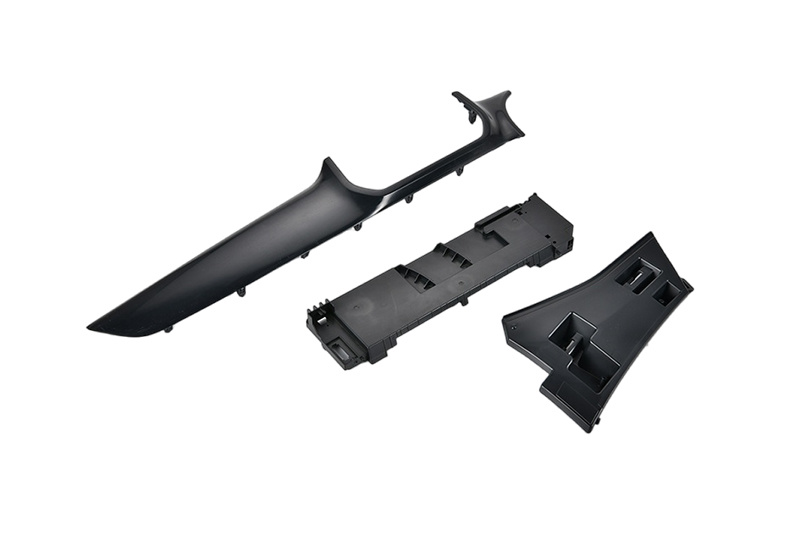
Plastic injection molding is a critical manufacturing process used extensively in the automotive industry, especially for producing vehicle trim components. These components, which include exterior and interior decorative elements, are crucial for both aesthetic and functional purposes in vehicles. Understanding the intricacies of plastic injection molding for vehicle trim can lead to significant
2026-04-04
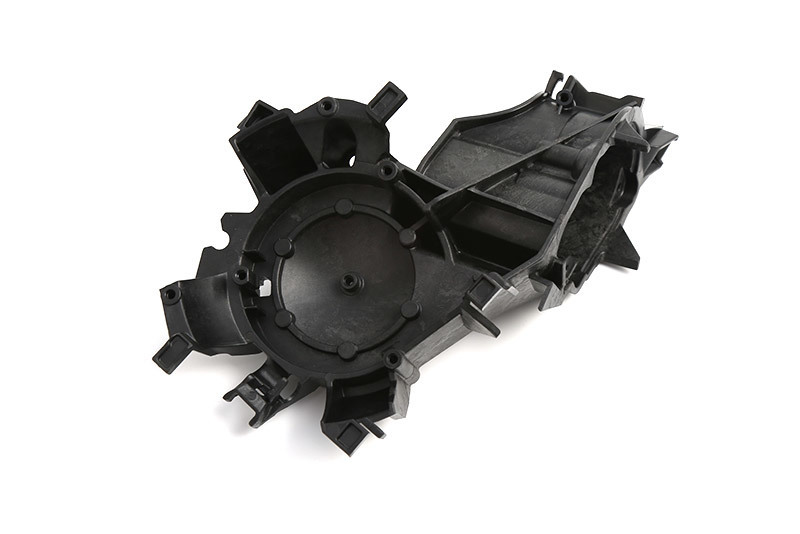
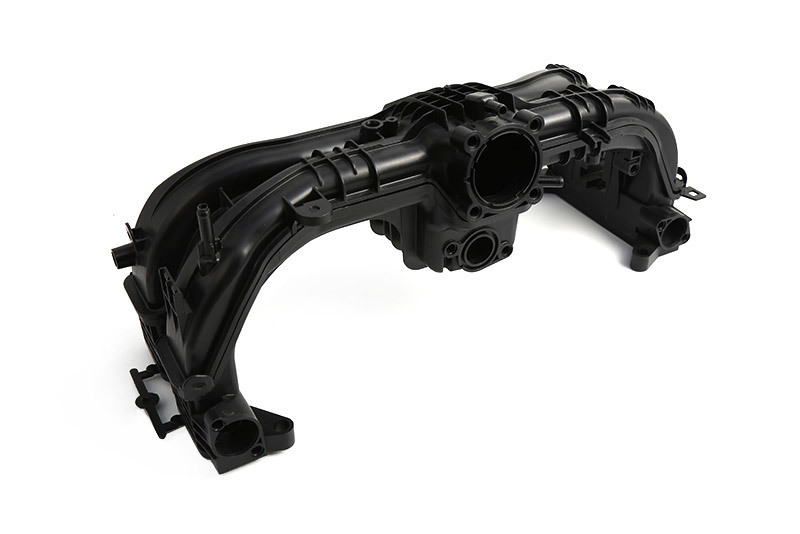
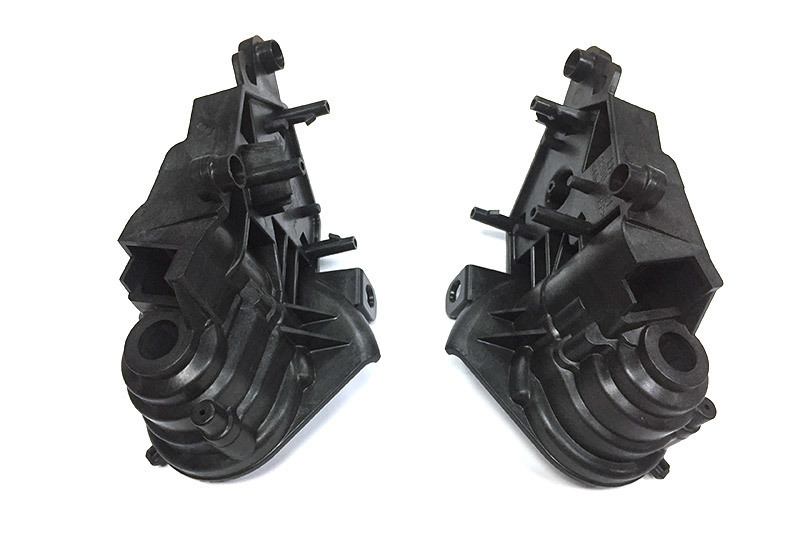
Plastic injection molding is a critical manufacturing process used extensively in the automotive industry, especially for producing vehicle trim components. These components, which include exterior and interior decorative elements, are crucial for both aesthetic and functional purposes in vehicles. Understanding the intricacies of plastic injection molding for vehicle trim can lead to significant efficiencies in production and improvements in product quality.
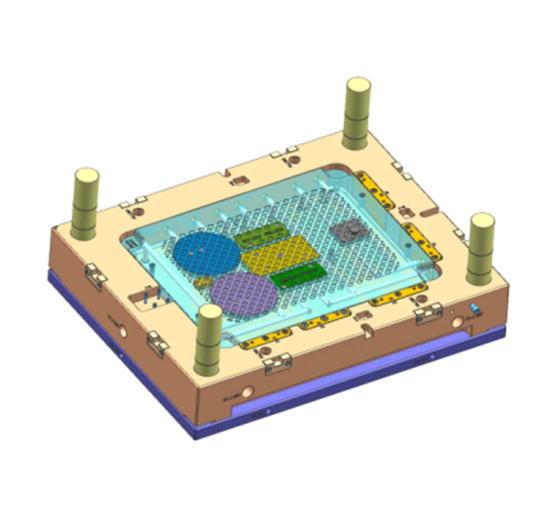
The process begins with the design of a mold that will shape the plastic into the desired vehicle trim component. Engineers meticulously design the mold, considering factors such as the geometry of the trim piece, material selection, and desired surface finish. Precision in the mold design is paramount, as it directly influences the performance and appearance of the final product.
Once the mold is created, raw plastic material is heated until it reaches a molten state. This molten plastic is then injected into the mold under high pressure, filling the cavity with precision. The plastic cools and solidifies, taking the exact shape of the mold. This process allows for the mass production of vehicle trim components with high accuracy and repeatability.
One of the significant advantages of using plastic injection molding for vehicle trim is the ability to create complex shapes and intricate designs that are difficult or impossible to achieve with traditional manufacturing methods. This not only enhances the visual appeal of the vehicle but also contributes to weight reduction, which is increasingly important in modern automotive design for improving fuel efficiency.
Additionally, plastic injection molding is highly efficient. The production cycle is relatively quick, and the process can be automated to a significant extent, reducing labor costs and production time. As a result, manufacturers can produce large volumes of trim components without sacrificing quality.
Another consideration in plastic injection molding is the choice of materials. Various types of plastics can be used, each with its own properties suited for specific applications. For instance, materials like ABS (Acrylonitrile Butadiene Styrene) are often favored for their toughness and impact resistance, making them ideal for external trim components that may be exposed to harsh environmental conditions.
In conclusion, plastic injection molding plays a vital role in the production of vehicle trim components, offering manufacturers the ability to create high-quality, aesthetically pleasing parts efficiently. By utilizing advanced molding techniques, the automotive industry can continue to innovate and meet the rising demands for both functionality and design in vehicle production. Understanding this process is essential for professionals in the manufacturing and automotive sectors looking to enhance their product offerings and operational efficiency.
The process begins with the design of a mold that will shape the plastic into the desired vehicle trim component. Engineers meticulously design the mold, considering factors such as the geometry of the trim piece, material selection, and desired surface finish. Precision in the mold design is paramount, as it directly influences the performance and appearance of the final product.
Once the mold is created, raw plastic material is heated until it reaches a molten state. This molten plastic is then injected into the mold under high pressure, filling the cavity with precision. The plastic cools and solidifies, taking the exact shape of the mold. This process allows for the mass production of vehicle trim components with high accuracy and repeatability.
One of the significant advantages of using plastic injection molding for vehicle trim is the ability to create complex shapes and intricate designs that are difficult or impossible to achieve with traditional manufacturing methods. This not only enhances the visual appeal of the vehicle but also contributes to weight reduction, which is increasingly important in modern automotive design for improving fuel efficiency.
Additionally, plastic injection molding is highly efficient. The production cycle is relatively quick, and the process can be automated to a significant extent, reducing labor costs and production time. As a result, manufacturers can produce large volumes of trim components without sacrificing quality.
Another consideration in plastic injection molding is the choice of materials. Various types of plastics can be used, each with its own properties suited for specific applications. For instance, materials like ABS (Acrylonitrile Butadiene Styrene) are often favored for their toughness and impact resistance, making them ideal for external trim components that may be exposed to harsh environmental conditions.
In conclusion, plastic injection molding plays a vital role in the production of vehicle trim components, offering manufacturers the ability to create high-quality, aesthetically pleasing parts efficiently. By utilizing advanced molding techniques, the automotive industry can continue to innovate and meet the rising demands for both functionality and design in vehicle production. Understanding this process is essential for professionals in the manufacturing and automotive sectors looking to enhance their product offerings and operational efficiency.
Related news