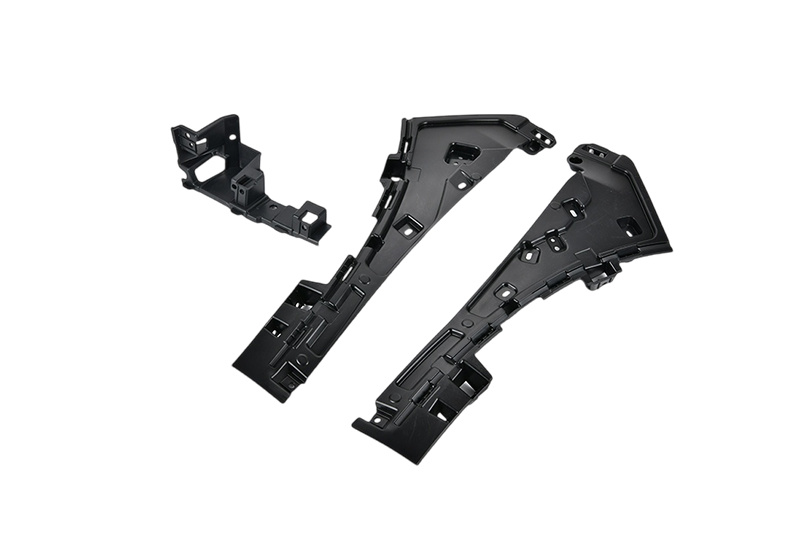
The Intricacies of Plastic Injection Molding for Vehicle Trim Components
Plastic injection molding for vehicle trim plays a pivotal role in the automotive industry, delivering both functional and aesthetic components that enhance the overall appeal of vehicles. This manufacturing technique is renowned for its efficiency and precision, making it a preferred choice for producing intricate trim parts that require a high level of detail. The process begins with designing t
2026-08-02
Plastic injection molding for vehicle trim plays a pivotal role in the automotive industry, delivering both functional and aesthetic components that enhance the overall appeal of vehicles. This manufacturing technique is renowned for its efficiency and precision, making it a preferred choice for producing intricate trim parts that require a high level of detail.
The process begins with designing the mold, which is a critical step that dictates the final product's shape, size, and features. Advanced computer-aided design (CAD) software is often employed to create intricate designs that meet both functional and aesthetic requirements. The mold itself is usually made from durable materials, such as steel or aluminum, ensuring longevity and resistance to wear and tear.
Once the design is finalized, the next step is the actual injection molding process. Plastic pellets are heated until they melt and are then injected into the mold under high pressure. This allows the molten plastic to fill every nook and cranny of the mold, ensuring an accurate reproduction of the design. After the plastic cools and solidifies, the mold opens, and the finished trim component is ejected. This method not only allows for high production rates but also minimizes waste, making it an environmentally friendly choice in manufacturing.
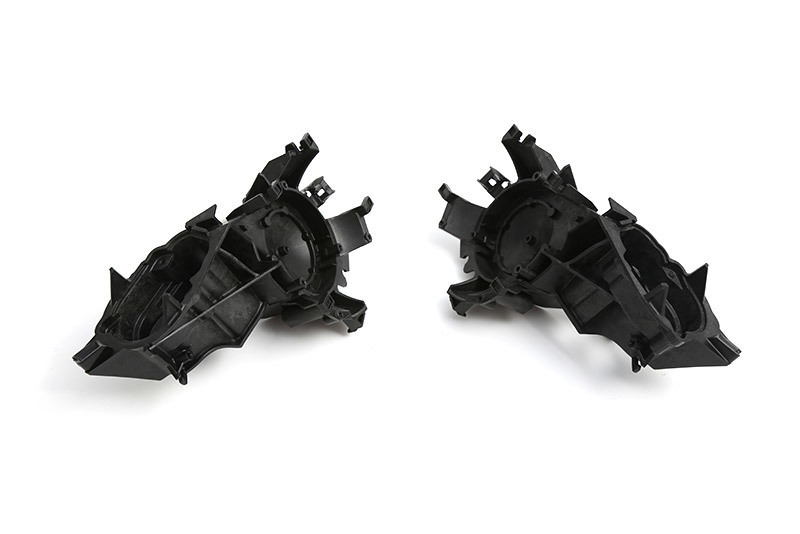
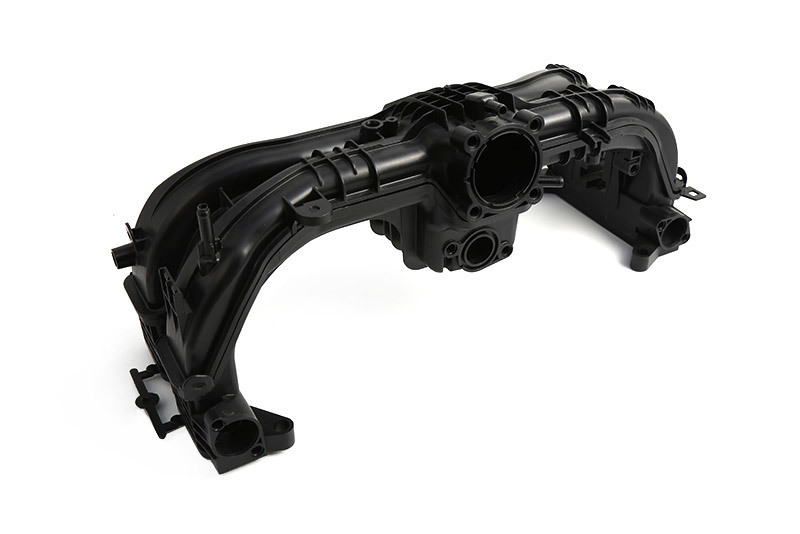
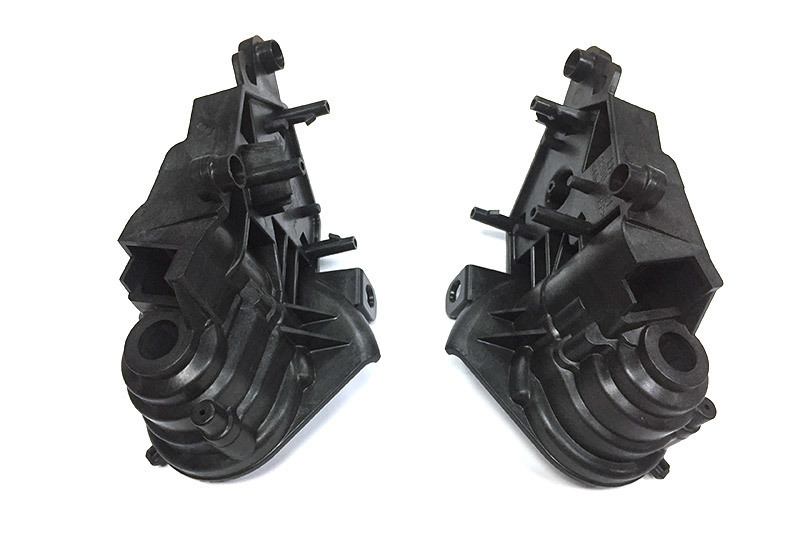
In the context of vehicle trim, this process can produce various components, including bumpers, dashboard parts, and decorative elements. These parts not only contribute to the vehicle's visual appeal but also play crucial roles in safety and functionality. For instance, impact-resistant bumpers are designed to absorb shocks during collisions, protecting both the vehicle and its occupants.
Moreover, advancements in plastic materials have led to the development of lightweight yet durable options that improve fuel efficiency and reduce emissions. Using high-performance thermoplastics in vehicle trim components enhances their look and contributes to the vehicle's overall performance, making them a smart choice for manufacturers looking to stay ahead of industry trends.
In conclusion, plastic injection molding for vehicle trim is a sophisticated and essential process in the automotive manufacturing sector. Its ability to produce high-quality, intricate parts efficiently makes it indispensable for creating components that meet modern automotive standards. As technology evolves, the possibilities within this realm continue to expand, offering exciting opportunities for innovation and improvement in vehicle design and functionality.
The process begins with designing the mold, which is a critical step that dictates the final product's shape, size, and features. Advanced computer-aided design (CAD) software is often employed to create intricate designs that meet both functional and aesthetic requirements. The mold itself is usually made from durable materials, such as steel or aluminum, ensuring longevity and resistance to wear and tear.
Once the design is finalized, the next step is the actual injection molding process. Plastic pellets are heated until they melt and are then injected into the mold under high pressure. This allows the molten plastic to fill every nook and cranny of the mold, ensuring an accurate reproduction of the design. After the plastic cools and solidifies, the mold opens, and the finished trim component is ejected. This method not only allows for high production rates but also minimizes waste, making it an environmentally friendly choice in manufacturing.
In the context of vehicle trim, this process can produce various components, including bumpers, dashboard parts, and decorative elements. These parts not only contribute to the vehicle's visual appeal but also play crucial roles in safety and functionality. For instance, impact-resistant bumpers are designed to absorb shocks during collisions, protecting both the vehicle and its occupants.
Moreover, advancements in plastic materials have led to the development of lightweight yet durable options that improve fuel efficiency and reduce emissions. Using high-performance thermoplastics in vehicle trim components enhances their look and contributes to the vehicle's overall performance, making them a smart choice for manufacturers looking to stay ahead of industry trends.
In conclusion, plastic injection molding for vehicle trim is a sophisticated and essential process in the automotive manufacturing sector. Its ability to produce high-quality, intricate parts efficiently makes it indispensable for creating components that meet modern automotive standards. As technology evolves, the possibilities within this realm continue to expand, offering exciting opportunities for innovation and improvement in vehicle design and functionality.
Related news