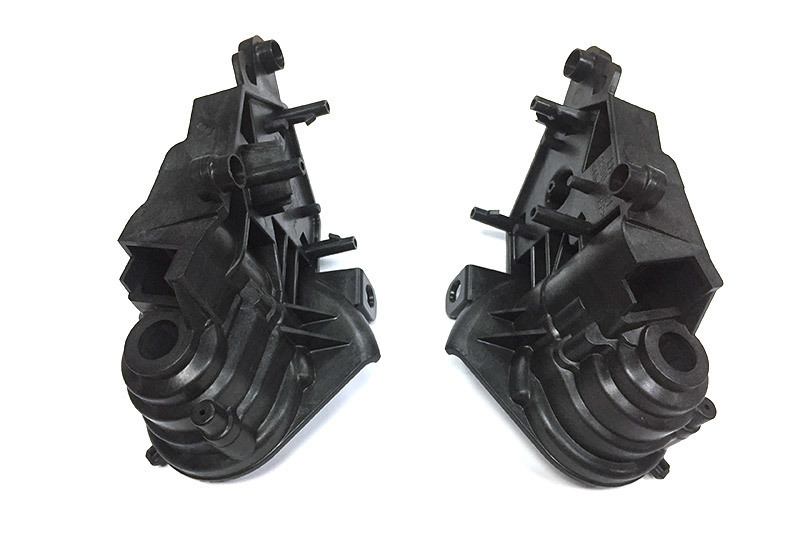
The Crucial Role of Precision in Injection Molding for Automotive Dashboards
The Crucial Role of Precision in Injection Molding for Automotive Dashboards Table of Contents Introduction to Injection Molding and Its Importance Understanding Injection Molding The Importance of Precision in Manufacturing Defining Precision in Injection Molding Impact on Quality and Performance Advancements in Technology for Precis
2026-04-08
The Crucial Role of Precision in Injection Molding for Automotive Dashboards
Table of Contents
- Introduction to Injection Molding and Its Importance
- Understanding Injection Molding
- The Importance of Precision in Manufacturing
- Advancements in Technology for Precision Molding
- Best Practices for Achieving Precision in Injection Molding
- Challenges in Maintaining Precision
- Future Trends in Injection Molding Precision
- Conclusion: The Future of Automotive Dashboard Manufacturing
- FAQs about Precision in Injection Molding
Introduction to Injection Molding and Its Importance
Injection molding is a widely used manufacturing process in the production of complex plastic parts, especially in the automotive industry. It allows manufacturers to create intricate designs with high precision and efficiency. Among various automotive components, **dashboards** play a pivotal role, serving not only as the control center for drivers but also as a significant aesthetic element of vehicle interiors. Therefore, understanding the importance of precision in injection molding for auto dashboards is essential for manufacturers striving to deliver high-quality products that meet stringent industry standards.
Understanding Injection Molding
Injection molding involves injecting molten plastic into a mold, where it cools and solidifies to form the desired part. This process allows for high production rates and the ability to produce complex shapes that would be challenging or impossible with other manufacturing methods. The molds used in injection molding are typically made from high-strength steel or aluminum, designed to withstand the high pressures of the injection process.
As a crucial part of the manufacturing pipeline, precision injection molding requires meticulous attention to detail at every stage, from mold design to material selection. The ability to maintain tight tolerances is fundamental to ensuring that every dashboard produced fits perfectly and functions as intended.
The Importance of Precision in Manufacturing
Defining Precision in Injection Molding
Precision in injection molding refers to the ability to produce parts that are accurate to the specified dimensions and tolerances consistently. **Tolerances** are the allowable limits of variation in a physical dimension, crucial for parts that must fit together seamlessly. In the context of auto dashboards, even minor deviations can lead to significant issues, such as poor fitment, misalignment of controls, or even safety concerns.
Impact on Quality and Performance
The quality of automotive dashboards heavily relies on precision during the injection molding process. High precision leads to:
1. **Improved Aesthetics**: Well-manufactured dashboards exhibit superior surface finishes and accurate color matching, enhancing the overall look of the vehicle interior.
2. **Enhanced Functionality**: Precise manufacturing ensures that all features, such as instrument panels, control buttons, and display screens, are accurately positioned and function correctly.
3. **Increased Durability**: Parts produced with high precision often exhibit better structural integrity, leading to improved durability and longevity, which is critical for automotive components subjected to various environmental stresses.
Advancements in Technology for Precision Molding
The field of injection molding has witnessed significant technological advancements, aiding manufacturers in achieving higher precision. Key innovations include:
1. **Computer-Aided Design (CAD)**: CAD software enables designers to create intricate mold designs and simulate the injection process to identify potential issues before production begins.
2. **3D Printing for Prototyping**: Rapid prototyping using 3D printing allows manufacturers to create and test mold designs quickly, reducing lead times and enhancing design precision.
3. **Smart Manufacturing**: The integration of IoT and data analytics in manufacturing processes helps monitor machine performance and predict maintenance needs, ensuring consistent production quality.
These technologies contribute to reducing material waste and improving resource efficiency, essential for sustainable manufacturing practices.
Best Practices for Achieving Precision in Injection Molding
To achieve optimal precision in injection molding for automotive dashboards, manufacturers should adhere to several best practices:
1. **Thorough Mold Design Analysis**: Conduct detailed analyses during the mold design phase to identify potential issues such as flow imbalances and cooling inefficiencies.
2. **Material Selection**: Choose high-quality materials tailored for the specific application, considering factors like thermal stability and mechanical strength.
3. **Regular Maintenance**: Schedule routine maintenance for molding machines to prevent mechanical failures that could lead to deviations in production.
4. **Quality Control Protocols**: Implement stringent quality control measures at various production stages to identify and rectify issues promptly.
These practices can significantly enhance the precision of the injection molding process, resulting in high-quality automotive dashboards.
Challenges in Maintaining Precision
Despite advancements, manufacturers face several challenges in maintaining precision during injection molding:
1. **Material Variability**: Variations in raw materials can affect the flow properties and cooling rates, leading to discrepancies in part dimensions.
2. **Complex Mold Designs**: Intricate mold designs may complicate the manufacturing process and increase the risk of errors.
3. **Machine Calibration**: Ensuring that machinery is correctly calibrated for each production run is critical. Even minor errors can lead to significant defects.
Addressing these challenges requires a proactive approach, incorporating advanced technologies and continuous training for personnel.
Future Trends in Injection Molding Precision
The future of precision in injection molding for automotive dashboards is promising, driven by multiple trends:
1. **Sustainable Materials**: The automotive industry is increasingly shifting towards sustainable materials, which require precise processing to maintain quality and performance.
2. **Automation and Robotics**: The rise of automation in manufacturing processes enhances precision and efficiency, allowing for real-time adjustments and quality inspections.
3. **Artificial Intelligence**: AI technologies can analyze production data to optimize processes and predict potential issues, further enhancing precision.
These trends suggest a future landscape where precision injection molding continues to evolve, fostering innovation in automotive design.
Conclusion: The Future of Automotive Dashboard Manufacturing
Precision in injection molding is fundamental to producing high-quality automotive dashboards that meet the demands of today's consumers. The integration of advanced technologies, adherence to best practices, and proactive approaches to challenges will ensure that manufacturers can consistently achieve the required precision. As the automotive industry continues to evolve, so too will the methods and technologies that underpin the production of dashboards, paving the way for innovative designs and enhanced functionality. The commitment to precision not only elevates product quality but also strengthens brand reputation and customer satisfaction.
FAQs about Precision in Injection Molding
1. Why is precision important in injection molding for automotive dashboards?
Precision is crucial for ensuring that all components fit correctly, function as designed, and meet safety standards. Minor deviations can lead to significant issues in performance and aesthetics.
2. What technologies enhance precision in injection molding?
Technologies such as CAD, 3D printing for rapid prototyping, smart manufacturing systems, and data analytics play a significant role in enhancing precision.
3. What are the common challenges faced in achieving precision?
Common challenges include material variability, complex mold designs, and the need for precise machine calibration.
4. How do manufacturers ensure quality control in injection molding?
Manufacturers implement stringent quality control protocols, including regular inspections at various stages of production, to identify and rectify issues promptly.
5. What future trends are shaping precision in injection molding?
Future trends include a shift towards sustainable materials, increased automation and robotics, and the integration of artificial intelligence for process optimization.
Related news