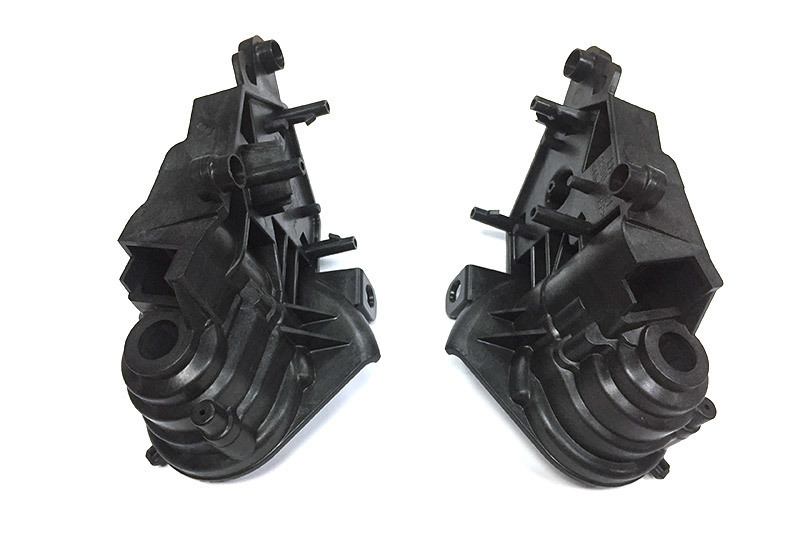
The Essential Guide to Plastic Injection Molds for Vehicle Trim
Plastic injection molding is a manufacturing process that plays an essential role in producing components for various industries, including the automotive sector. Among the many applications of this technique, creating plastic injection molds for vehicle trim is particularly significant. Vehicle trim parts include a variety of components such as dashboard panels, door handles, and decorative accen
2025-10-18
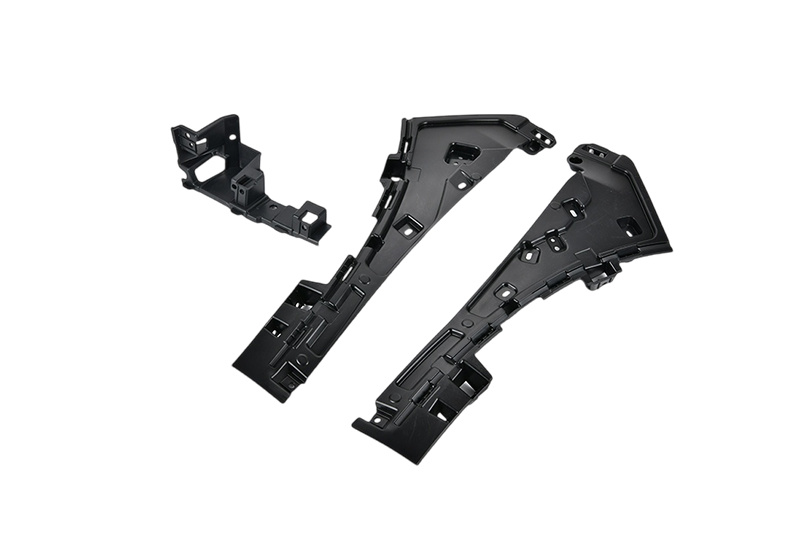
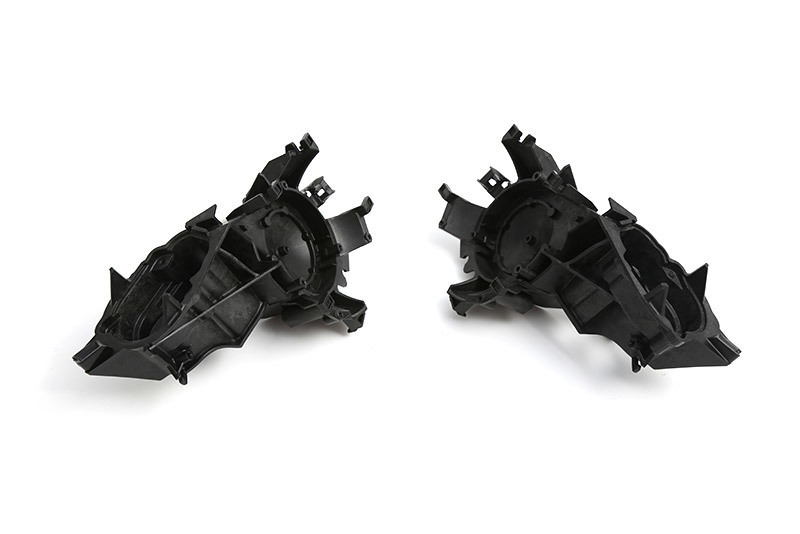
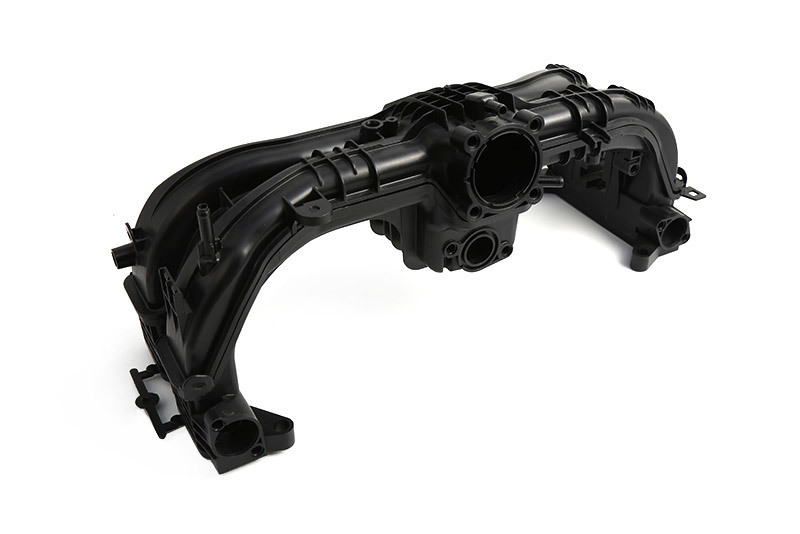
Plastic injection molding is a manufacturing process that plays an essential role in producing components for various industries, including the automotive sector. Among the many applications of this technique, creating plastic injection molds for vehicle trim is particularly significant. Vehicle trim parts include a variety of components such as dashboard panels, door handles, and decorative accents, all of which contribute to a vehicle's aesthetic appeal and functionality.
The process begins with designing the mold, which is a precise and intricate task. Engineers utilize computer-aided design (CAD) software to create a detailed 3D model of the desired trim component. This model dictates the mold's dimensions and features, ensuring that every piece produced will fit seamlessly within the vehicle’s design specifications. High-quality molds are crucial, as they determine the final product's finish, durability, and overall performance.
Once the design is finalized, the next step is manufacturing the mold itself. This is typically done using high-grade steel or aluminum, materials known for their strength and longevity. The mold must undergo several machining processes, including milling and electrical discharge machining (EDM), to achieve the desired level of precision. The quality of the mold directly affects the efficiency of the injection process and the quality of the final trim products.
During the injection molding process, plastic pellets are heated until they become molten and then injected into the mold cavity under high pressure. Once cooled, the molded part is ejected from the mold, and the process can be repeated for mass production. This method allows for rapid production cycles and can generate thousands of identical parts with minimal variation, making it ideal for automotive applications where consistency is key.
One of the significant advantages of plastic injection molding for vehicle trim is the versatility of materials that can be used. Various types of thermoplastics can be employed, allowing for different textures, colors, and finishes. This flexibility enables manufacturers to meet diverse design requirements and customer preferences, enhancing the vehicle's overall aesthetic.
Another important aspect to consider is the environmental impact of the manufacturing processes involved. Many companies are now looking to utilize recyclable materials and implement sustainable practices in their production of plastic injection molds for vehicle trim. This shift not only benefits the environment but also aligns with consumer demand for greener automotive solutions.
In conclusion, plastic injection molds for vehicle trim are a vital component of the automotive manufacturing process. They represent a blend of precision engineering and creative design, resulting in quality parts that enhance both the functionality and look of vehicles. Understanding the intricacies of this process can help customers appreciate the importance of high-quality molds and the expertise required to produce them effectively.
The process begins with designing the mold, which is a precise and intricate task. Engineers utilize computer-aided design (CAD) software to create a detailed 3D model of the desired trim component. This model dictates the mold's dimensions and features, ensuring that every piece produced will fit seamlessly within the vehicle’s design specifications. High-quality molds are crucial, as they determine the final product's finish, durability, and overall performance.
Once the design is finalized, the next step is manufacturing the mold itself. This is typically done using high-grade steel or aluminum, materials known for their strength and longevity. The mold must undergo several machining processes, including milling and electrical discharge machining (EDM), to achieve the desired level of precision. The quality of the mold directly affects the efficiency of the injection process and the quality of the final trim products.
During the injection molding process, plastic pellets are heated until they become molten and then injected into the mold cavity under high pressure. Once cooled, the molded part is ejected from the mold, and the process can be repeated for mass production. This method allows for rapid production cycles and can generate thousands of identical parts with minimal variation, making it ideal for automotive applications where consistency is key.
One of the significant advantages of plastic injection molding for vehicle trim is the versatility of materials that can be used. Various types of thermoplastics can be employed, allowing for different textures, colors, and finishes. This flexibility enables manufacturers to meet diverse design requirements and customer preferences, enhancing the vehicle's overall aesthetic.
Another important aspect to consider is the environmental impact of the manufacturing processes involved. Many companies are now looking to utilize recyclable materials and implement sustainable practices in their production of plastic injection molds for vehicle trim. This shift not only benefits the environment but also aligns with consumer demand for greener automotive solutions.
In conclusion, plastic injection molds for vehicle trim are a vital component of the automotive manufacturing process. They represent a blend of precision engineering and creative design, resulting in quality parts that enhance both the functionality and look of vehicles. Understanding the intricacies of this process can help customers appreciate the importance of high-quality molds and the expertise required to produce them effectively.
Related news